
The Value of Having Two Lead Photographers on a Wedding Day
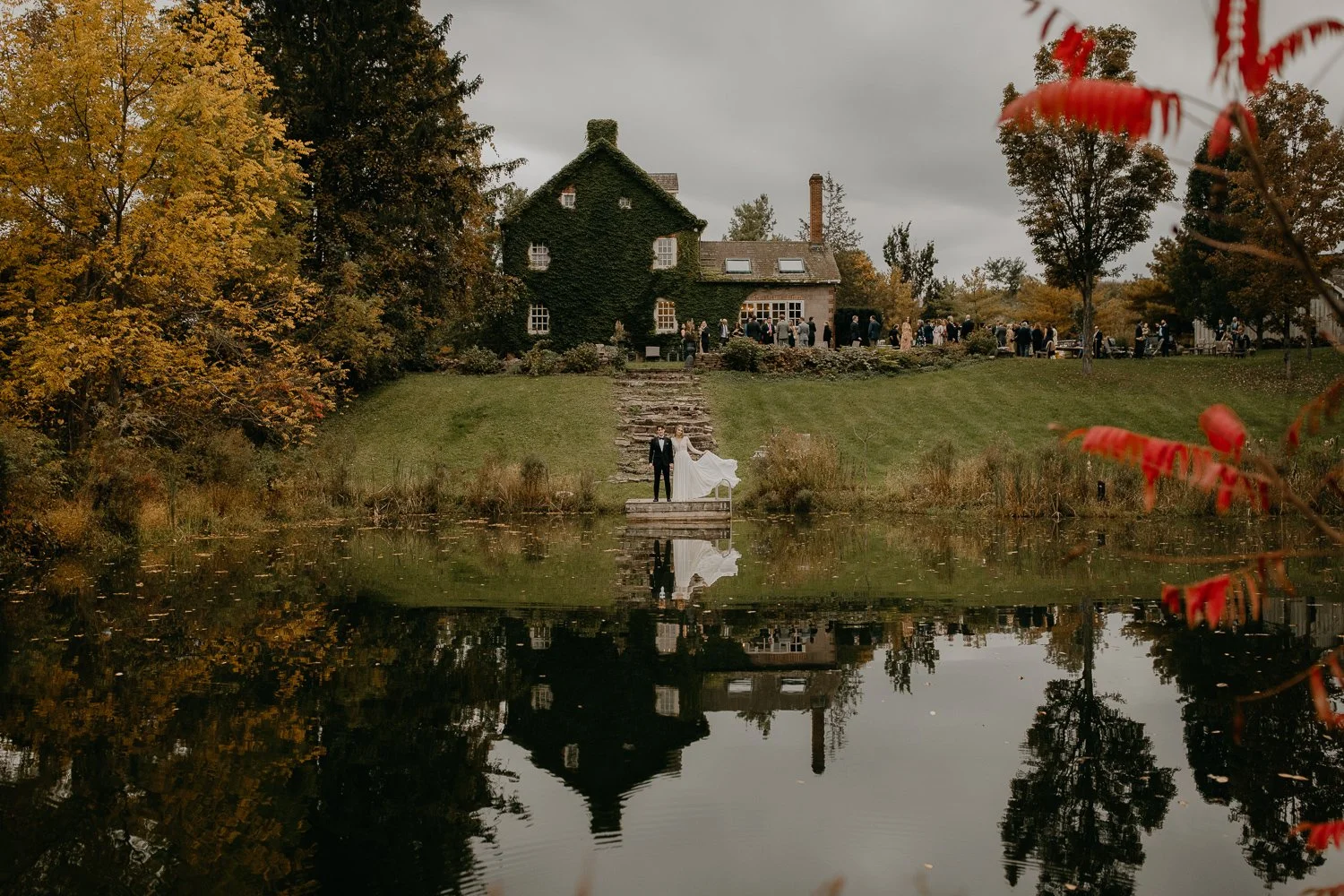
When couples see “two photographers included” in a wedding collection, it can sound like a bonus feature.
But not all two-photographer models are created equal, and this is one of the biggest differences in how we approach weddings at Eastlyn & Joshua.
We work as two lead photographers on every wedding day. Not a primary photographer with a second shooter, but two experienced photographers sharing creative responsibility from start to finish.
Over the years, we have seen how much this changes not only the photos, but how the entire day feels for our couples.
There is a significant difference between a primary photographer with a second shooter and two seasoned photographers working together with equal vision, intuition, and responsibility.
That difference affects how the day flows, how moments are captured, and ultimately how the wedding is remembered.
TWO LEAD PHOTOGRAPHERS VS A SECOND SHOOTER: WHY THIS IS ONE OF OUR CORE VALUES
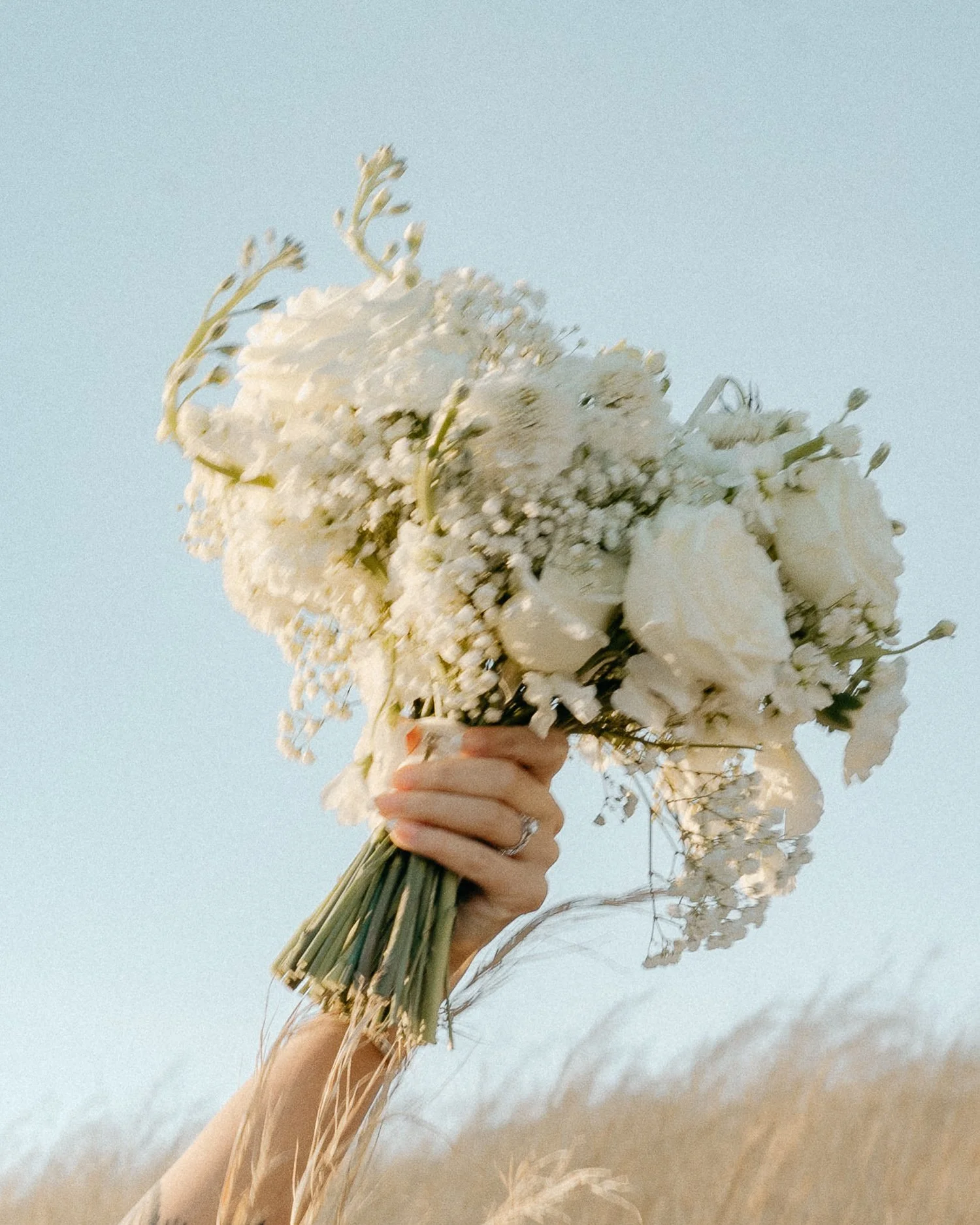
Having two lead photographers is one of the core values of how we document weddings, because we believe the story of a wedding day deserves more than one perspective.
In many wedding photography teams, one person carries the creative and logistical responsibility while the second photographer supports by capturing alternate angles or candids.
That structure works well for many weddings, and there are many talented teams who work that way.
But it is different from having two seasoned photographers who both:
• Anticipate moments before they happen
• Understand light instinctively
• Guide portraits with confidence and calm
• Problem solve in real time
• Bring years of experience into every decision
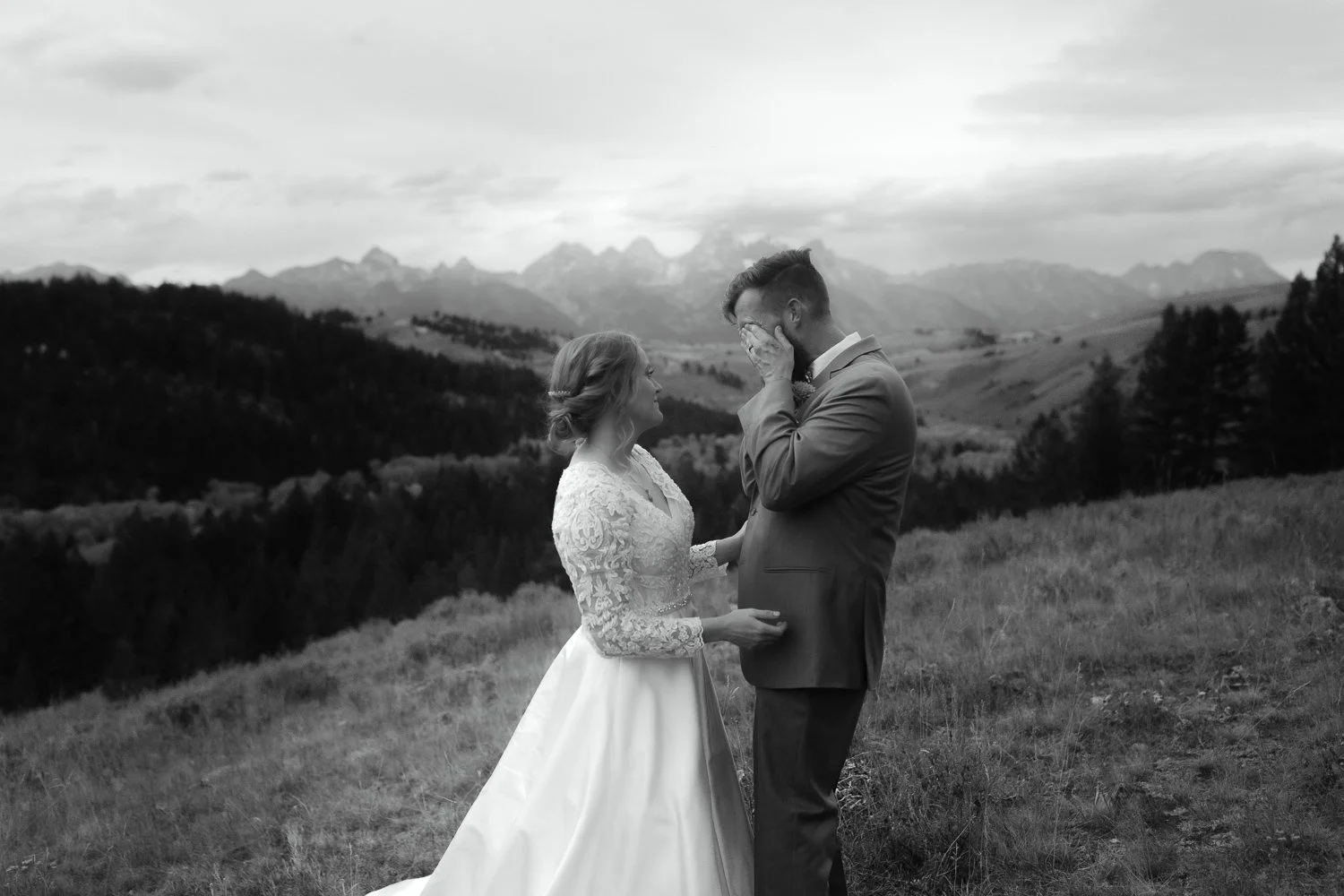
When both photographers carry that level of responsibility, the experience naturally shifts.
You are not depending on one person to hold everything together.
There is shared awareness, shared intuition, and shared responsibility.
And that steadiness often becomes the thing couples feel most throughout the day.
Not because of a certain editing style.
Not because of a trend.
But because there is space to relax and trust that what matters will be seen.
When we photograph a wedding together, you are not getting a back up.
You are getting two creative minds fully present, seeing your day from different angles with the same level of care.
What It Changes on a Wedding Day
1. Getting Ready Coverage Feels Unrushed
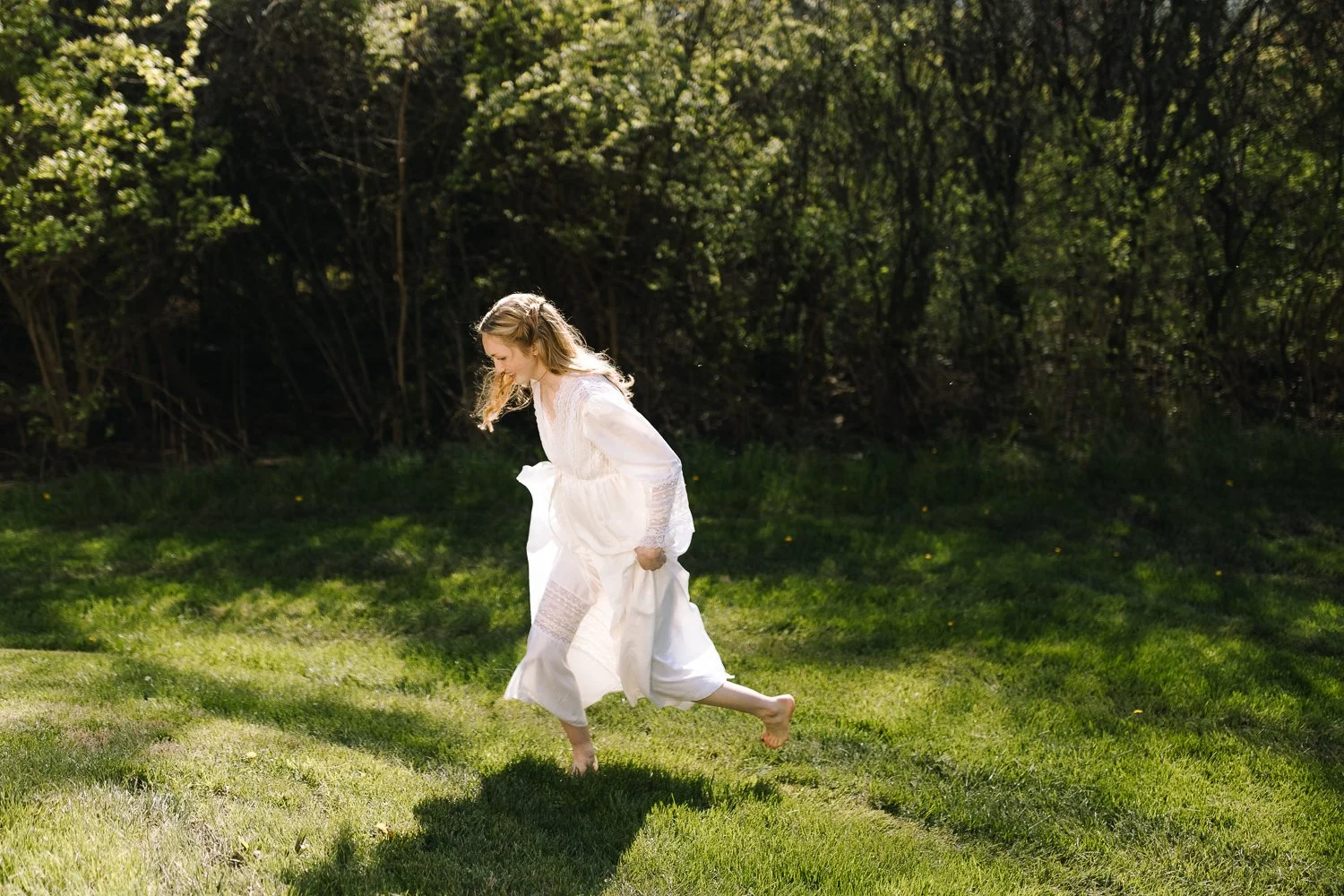
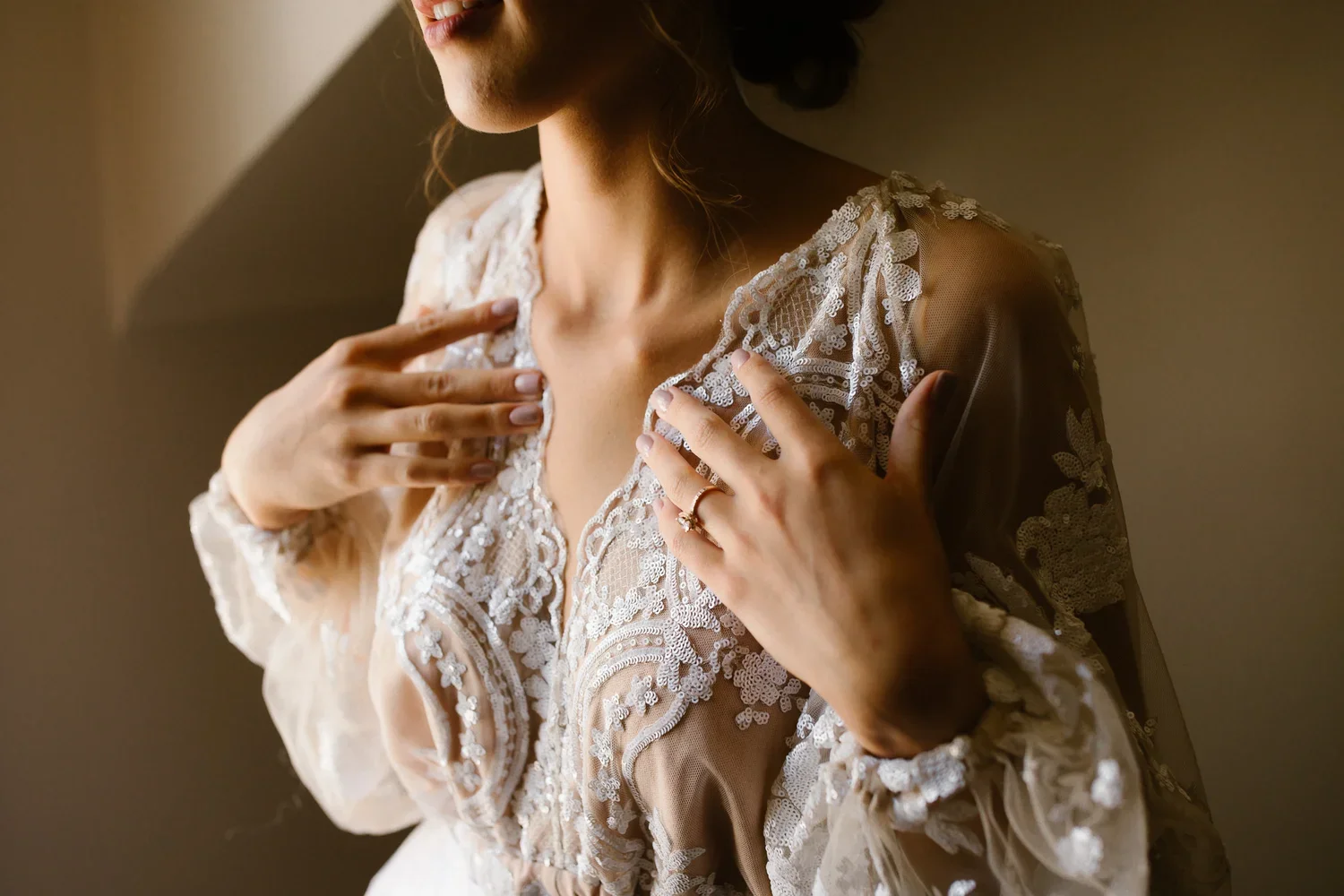
When we photograph a wedding together, both sides of the morning receive equal creative attention.
Instead of dividing the day out of necessity, both spaces are documented with intention.
Getting ready moments are not just coverage placeholders. They are part of the story. The quiet breath before the ceremony. The letters. The subtle interactions between parents and siblings.
These often hold some of the most meaningful, unguarded moments of the entire day.
Because one of us never has to rush away to cover something else, the morning can unfold naturally.
No one’s experience feels secondary. No one’s story is condensed into a handful of frames.
It allows the beginning of the day to feel calm instead of hurried, which sets the tone for everything that follows.
2. Ceremony Coverage Becomes Layered
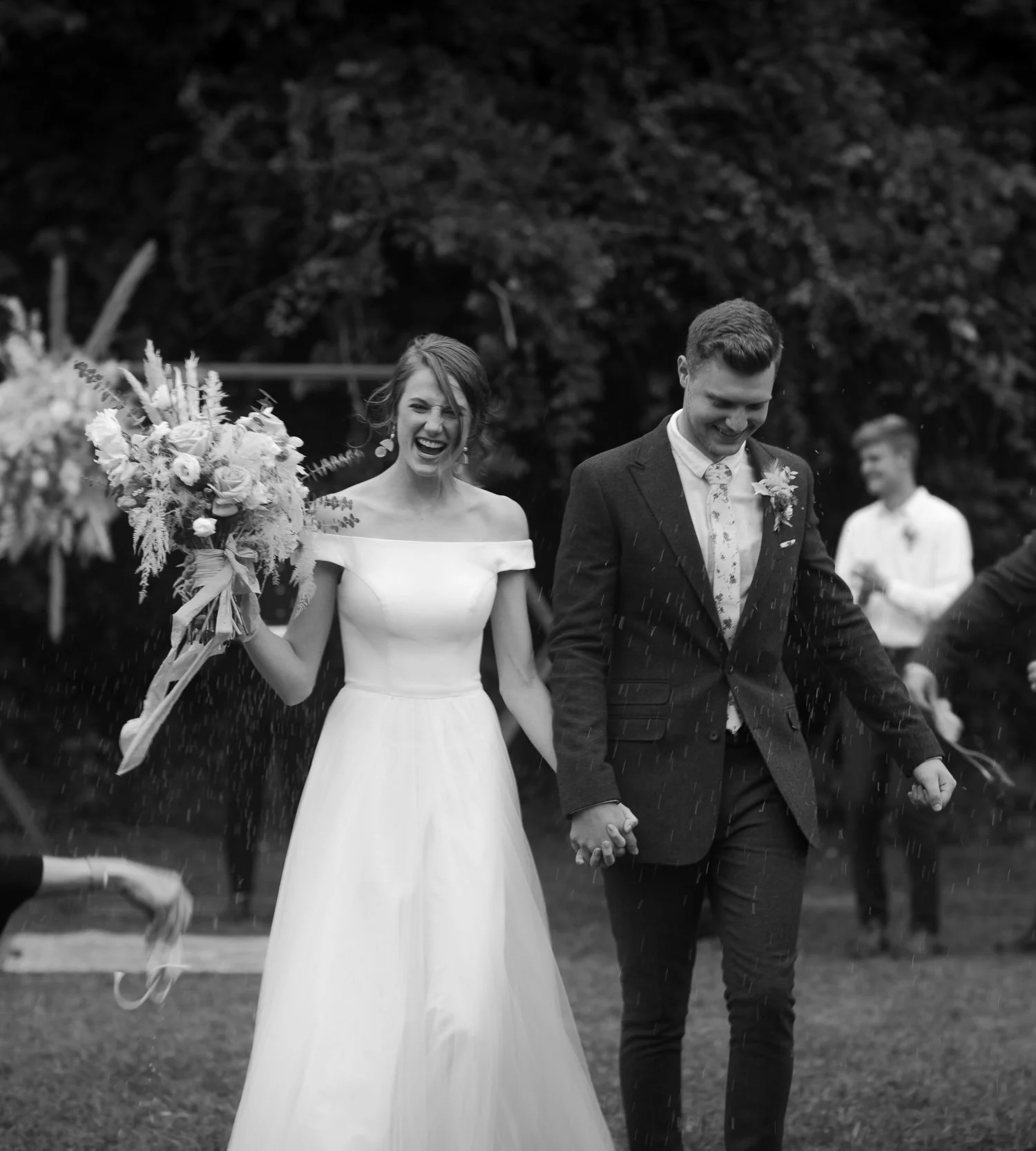
This is something we have learned after photographing weddings together for many years. When both photographers have the experience to anticipate moments, the ceremony can be documented in layers instead of just from one angle.
One of us can focus on the couple.
The processional.
The ring exchange.
The first kiss.
These moments are significant, and they deserve to be documented with care.
At the same time, there is an entire layer of the ceremony unfolding beyond what you can see.
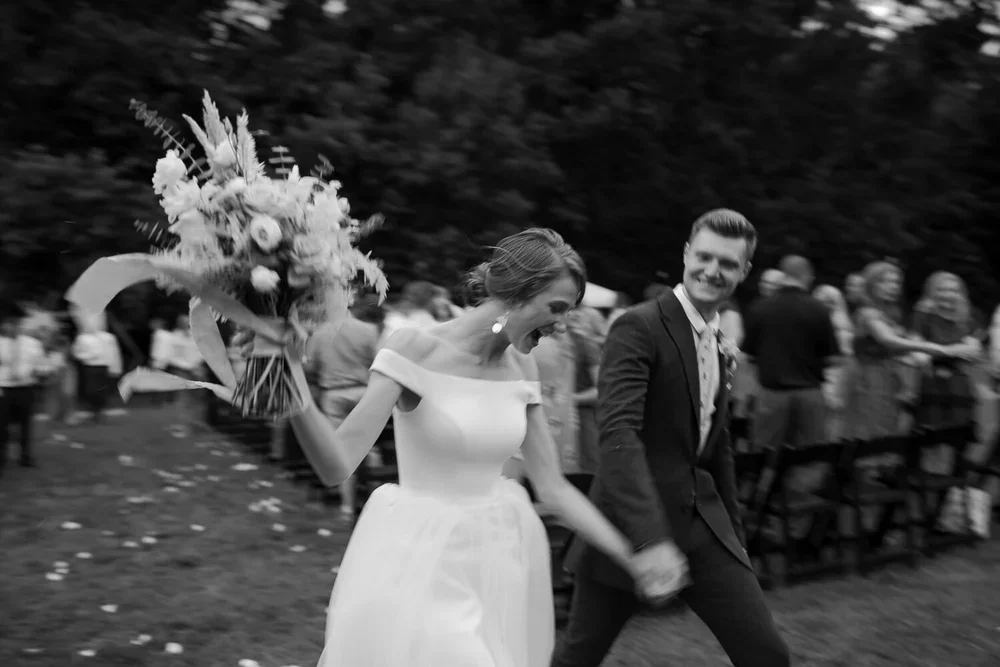
The other photographer can document:
• The way your mother wipes her eyes before you even reach the altar
• Your father’s expression as he takes his seat
• The reaction of your bridal party when you say your vows
• The wide environmental perspective that shows everyone gathered together
• The quiet hand squeeze before you walk back down the aisle
These are not filler frames. They are often the images couples return to most, because the moments that stay with you the longest are usually the ones you didn’t realize were happening at the time, which is what makes wedding photos meaningful years later.
Having two experienced photographers allows both layers to be anticipated and preserved at once.
3. Portrait Time Moves With Ease
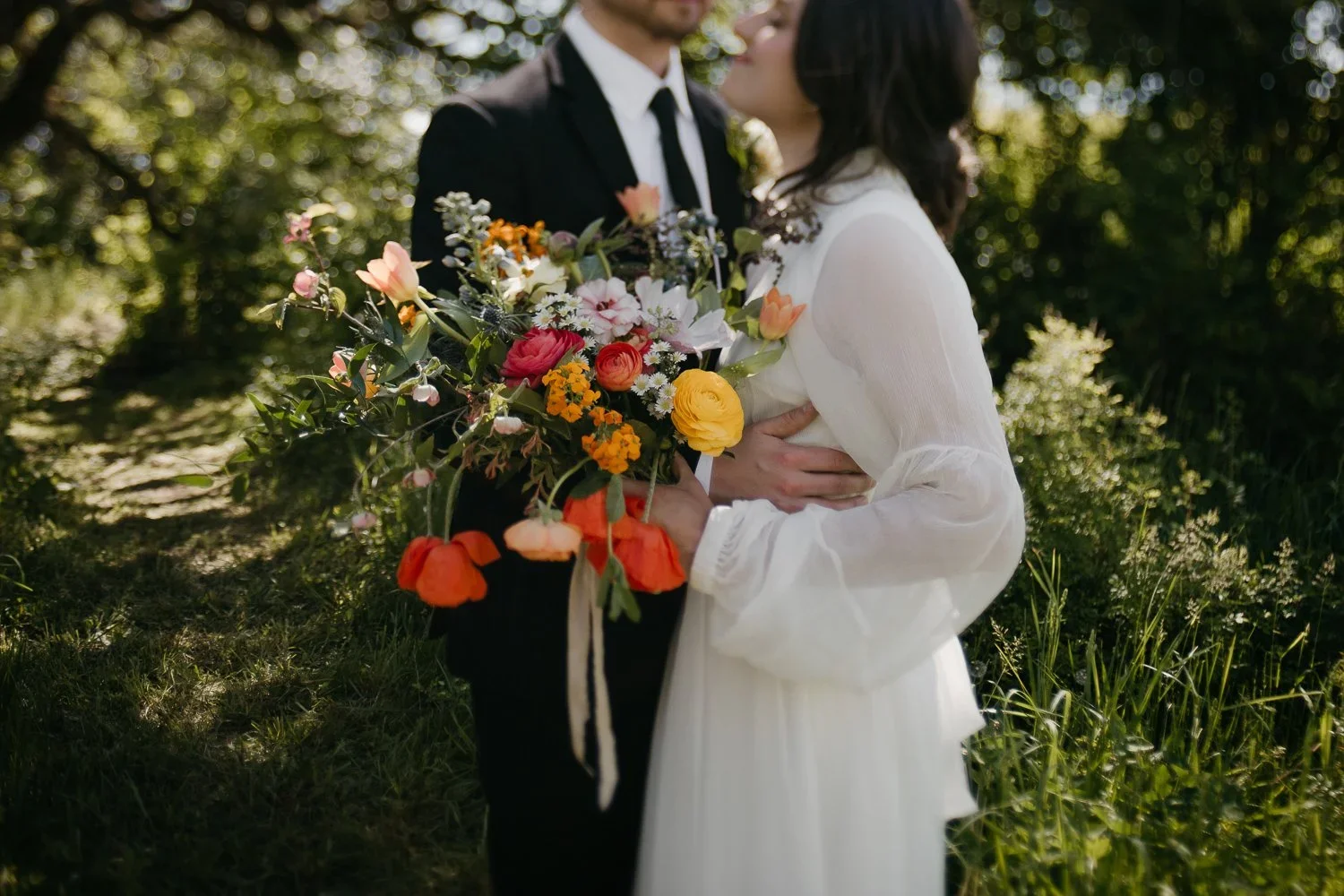
Because we both photograph as lead photographers, portrait time does not rely on one person directing while the other follows.
We are constantly watching for:
• Light direction
• Guest movement
• Timeline shifts
• Weather changes
• Emotional energy
While one of us leads, the other refines, adjusts, and anticipates what is about to happen next.
It creates flow instead of pressure.
This becomes especially important when building a wedding timeline that protects breathing room and natural light, something we talk more about in our guide to building a wedding timeline that doesn’t feel rushed.
When two experienced photographers are present, portrait time feels less like a task and more like part of the day unfolding naturally.
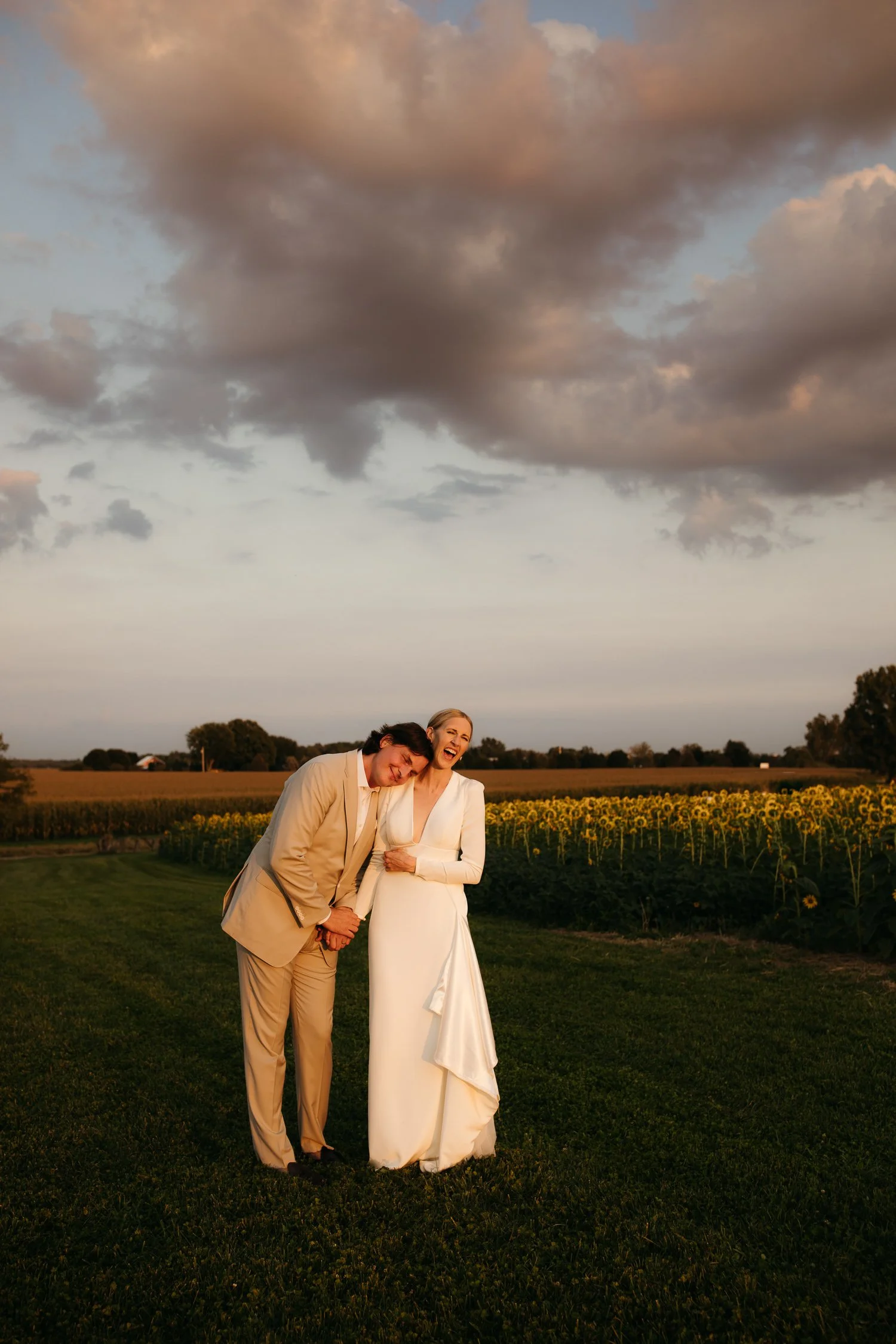
4. Reception Coverage Is Complete, Not Partial
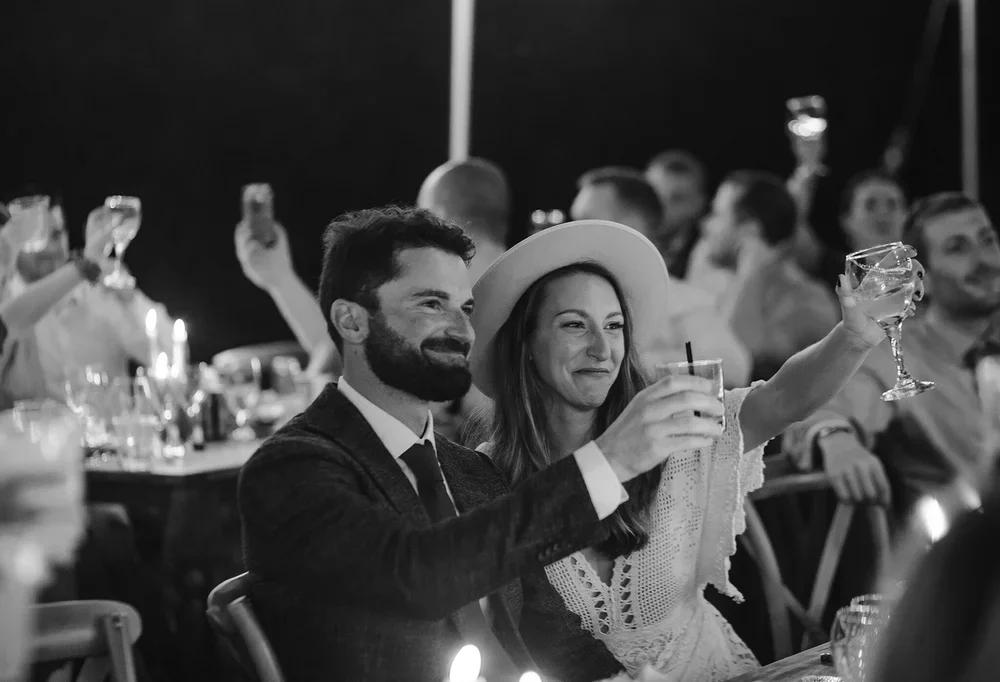
This is where the difference is often most noticeable.
One of us can focus on the dance floor.
The other can:
• Capture quiet guest conversations
• Photograph design details before they disappear
• Document cocktail hour interactions
• Watch for emotional moments happening at the edges of the room
Your wedding is not a single focal point.
It is dozens of stories unfolding at the same time.
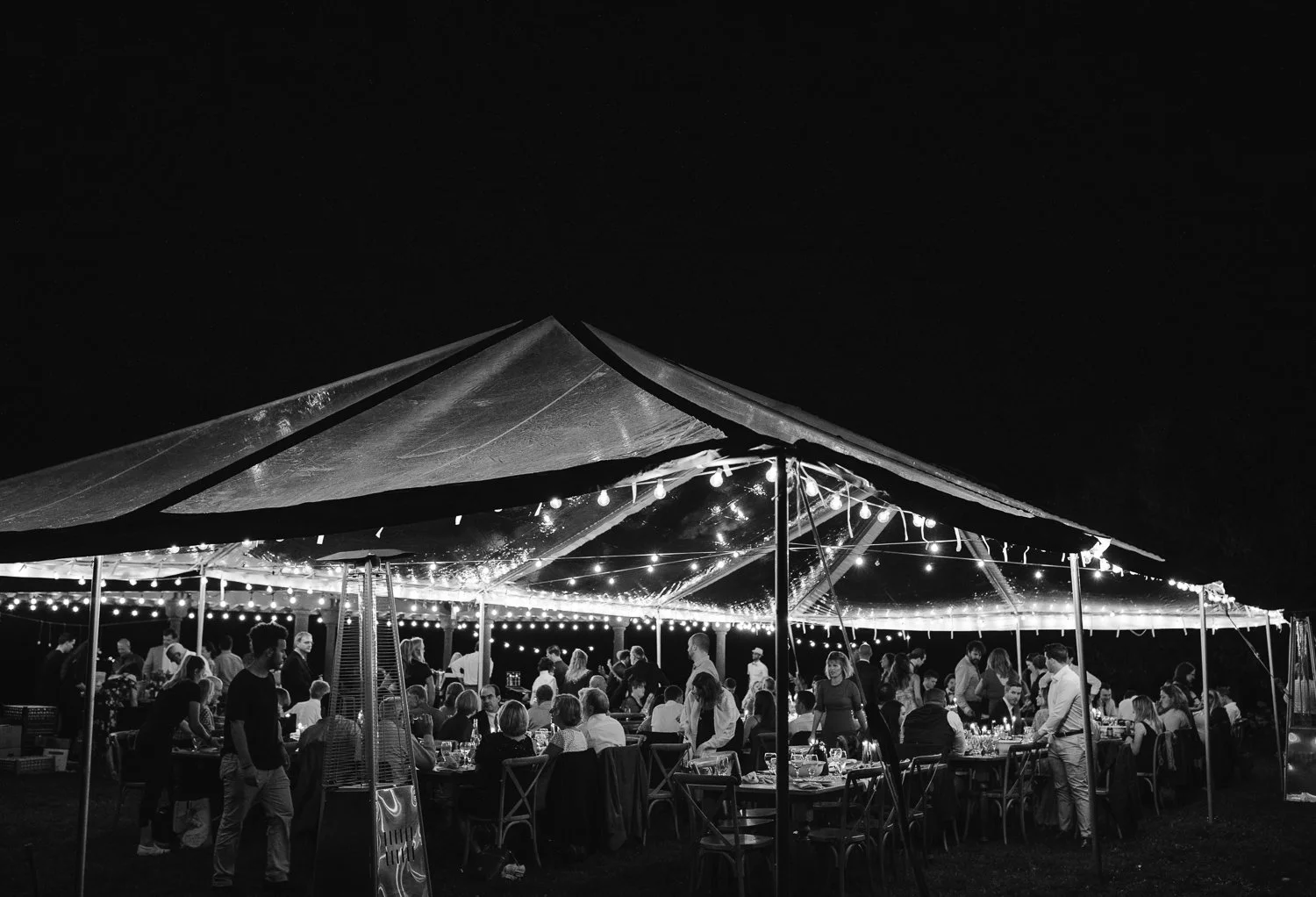
We see this often at weddings with multiple spaces or layered design, where something meaningful is happening in more than one place at once.
Because we work as two lead photographers, we do not have to choose which moment matters more.
It’s Not About More Photos
One of the biggest misconceptions we hear from couples is that having two photographers just means getting more images.
What it really means is receiving a more dimensional story: Moments from multiple perspectives, reactions you did not see, energy shifts you may have missed.
It allows your gallery to hold both what it felt like to stand at the center of the day and what it looked like from the outside.
We have seen this clearly when couples look through their gallery for the first time.
They notice things they never realized were happening, like the way the room leaned in during the vows, the way grandparents watched the first dance, the way the light changed as the evening unfolded.
It creates a gallery that feels immersive rather than sequential.
Not simply a record of events, but a reflection of atmosphere, emotion, and connection.
It Also Changes How the Day Feels
One of the biggest reasons we believe in having two lead photographers is not just the final gallery, but the way the day feels while it is happening. That experience is often what people are really responding to when they describe a wedding as feeling elevated.
With two calm, experienced photographers present from start to finish, the energy of the day shifts in subtle but important ways.
• There is less scrambling when timelines adjust
• Less miscommunication between vendors
• Less pressure when something runs behind
• More flexibility when weather changes
• More room for creativity when moments unfold naturally
Because there are two of us fully aware of what is happening at all times, nothing feels urgent or reactive.
If one of us is guiding family portraits, the other is already preparing for what comes next.
If a timeline shifts, adjustments are made quietly.
If a meaningful moment begins to unfold at the edge of the room, it is seen.
That steadiness gives couples space to stay present.
When your photography team feels grounded and prepared, the entire day feels more grounded and prepared.
Why This Matters for Larger or Design-Forward Weddings
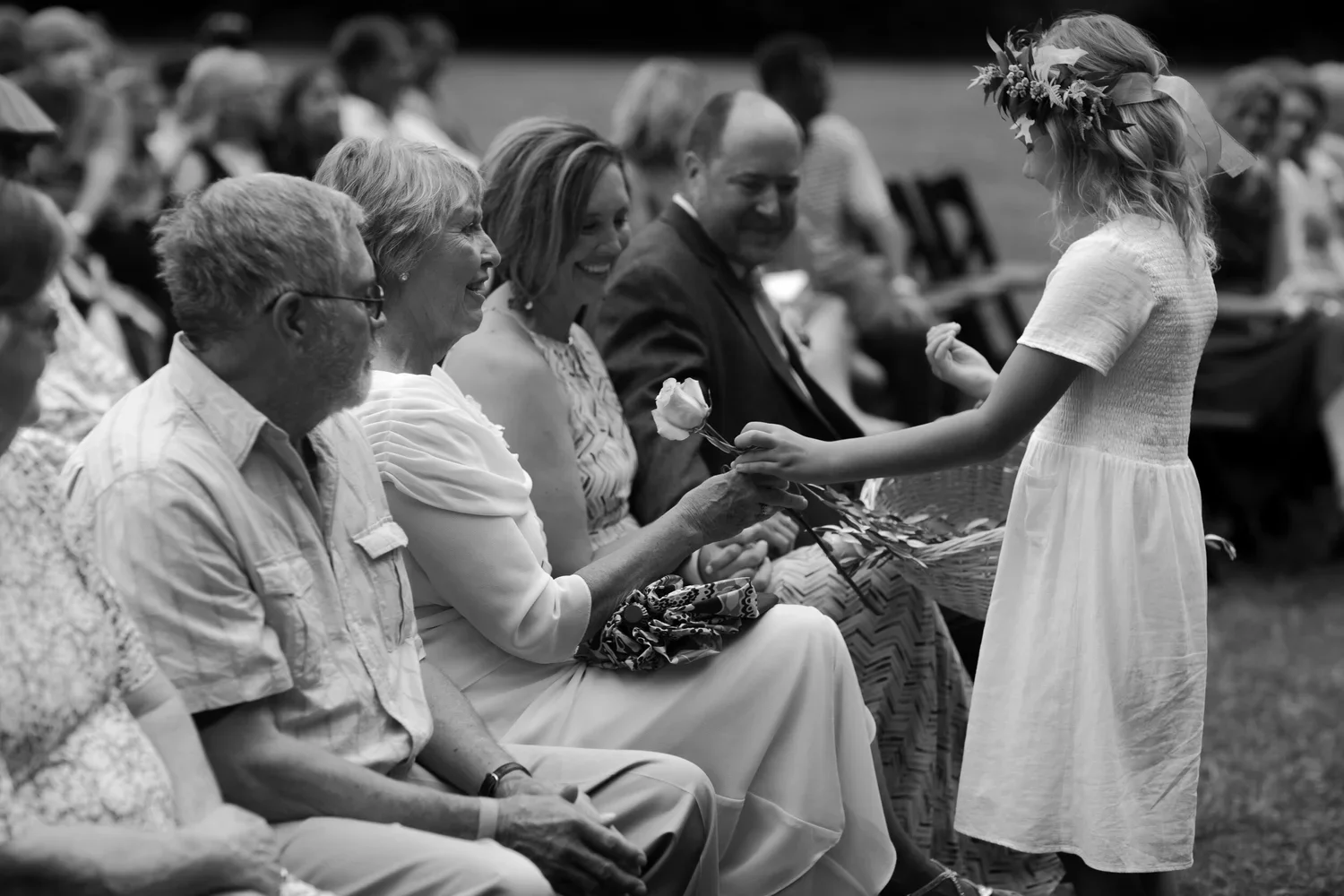
We see this most clearly at larger weddings, or weddings with layered design and multiple spaces.
Cocktail hour begins while family portraits are wrapping up.
Guests are interacting in one room while details are glowing in another.
A quiet exchange happens just outside the main celebration.
With only one photographer, coverage has to be prioritized moment by moment.
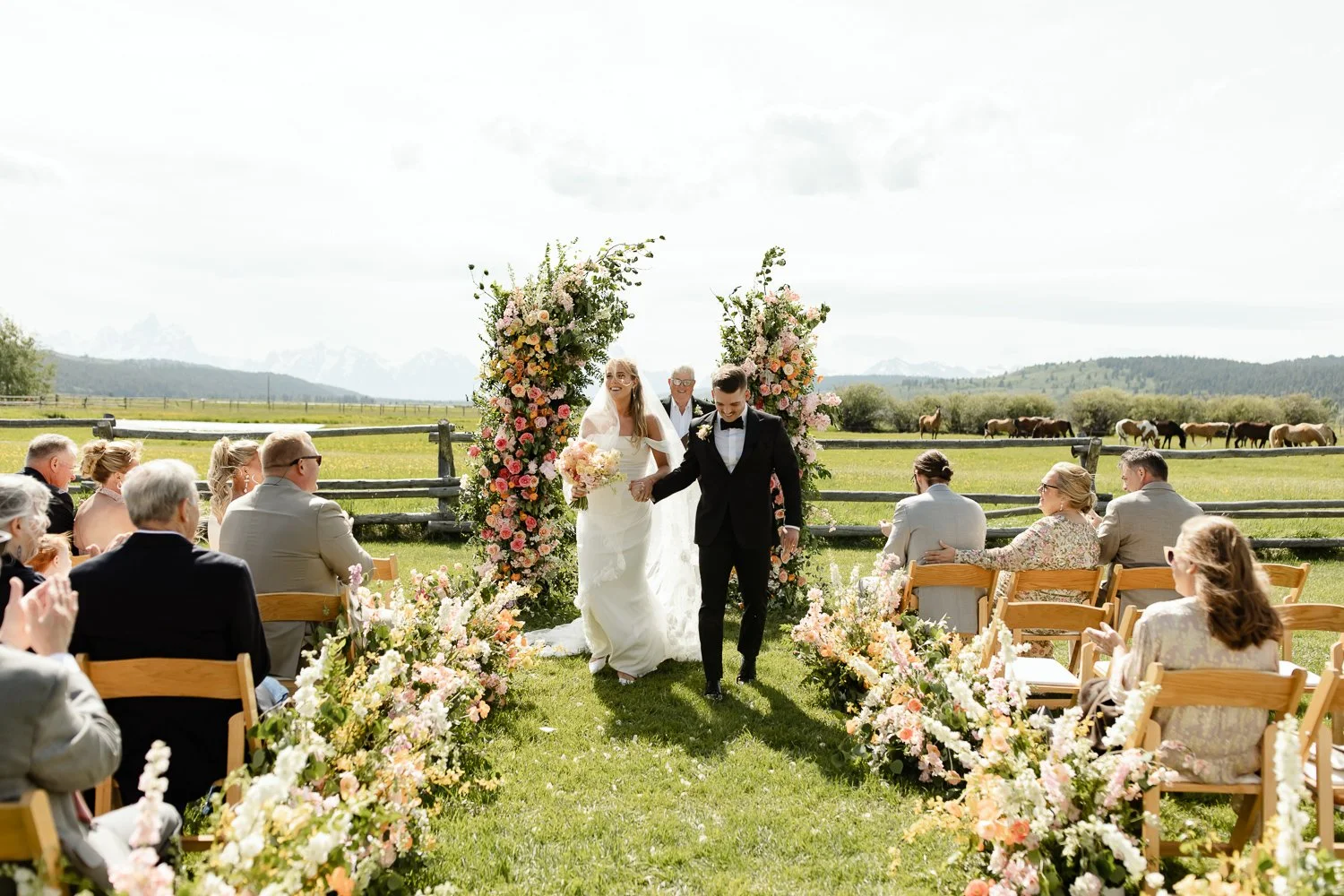
With two lead photographers, we are able to preserve:
• The scale of the event
• The intimacy of private moments
• The atmosphere of the space
• The emotion of the people
Without having to choose one over the other.
We experienced this recently at an Ivory Meadows wedding in Dayton, where the ceremony, cocktail hour, and reception spaces all had their own atmosphere.
While one of us photographed the couple with family, the other documented guests arriving, details being finished, and small moments unfolding in the reception space.
When the gallery came together, the day felt complete instead of fragmented.
That is the difference two experienced photographers can make.
This Matters For Elopements Too
This approach is just as important for elopements and small weddings, even though the day may feel simpler.
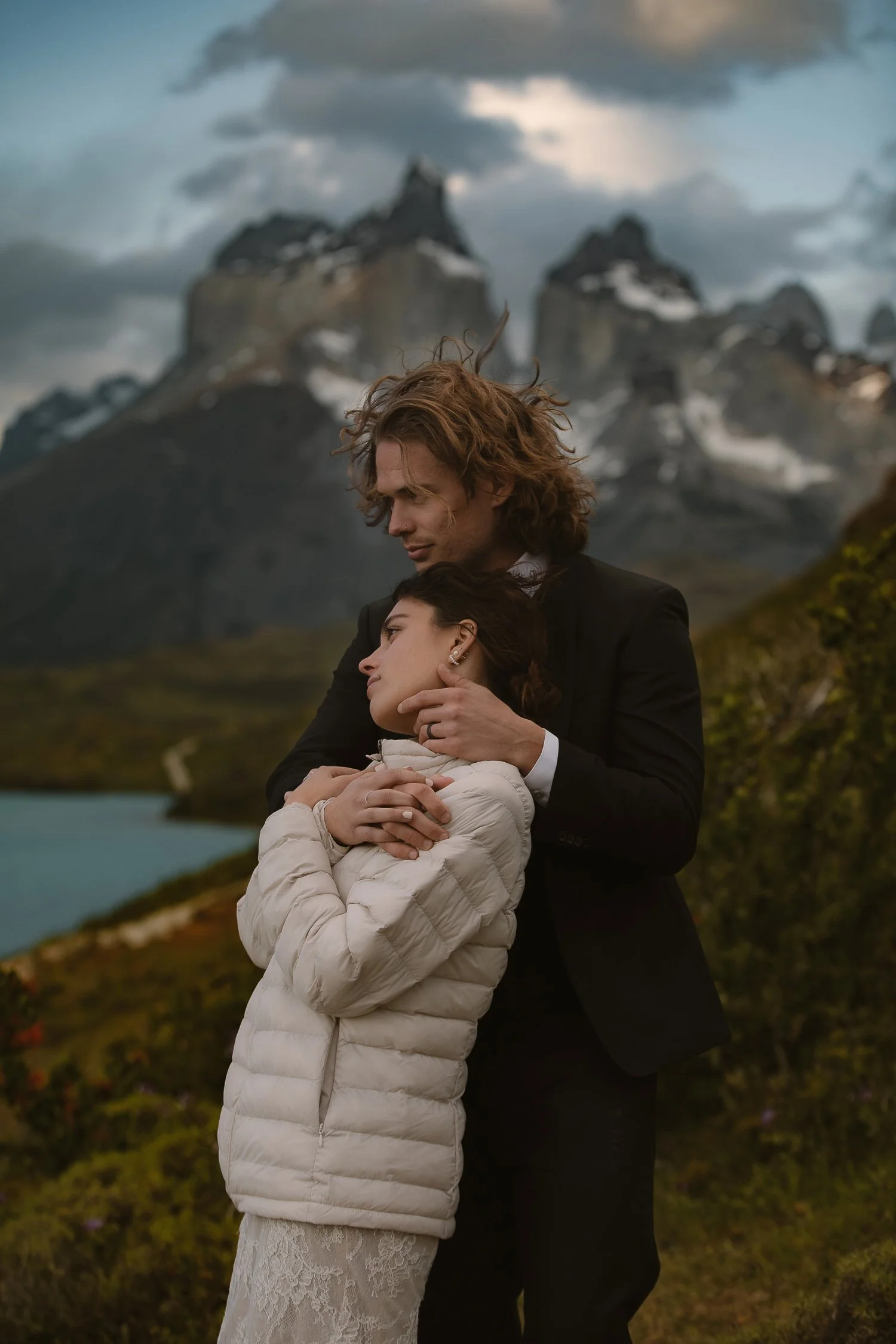
When a couple chooses to get married in a place that means something to them, the landscape often becomes part of the story. The scale of the environment, the weather, the light, and the emotion of the moment are all happening at the same time.
During vows, for example, one of us may be using a wide lens to capture the full scene, showing the couple in the place they chose to begin their marriage. The mountains, the ocean, the desert, or the forest become part of the memory.
At that same moment, the other may be using a longer lens to focus on the expressions, the tears, the hands, or the small details that only last for a second.
When one photographer has to switch between lenses, those moments can be missed. A tear falling. A laugh during an inside joke. The wind picking up the veil for a split second. The way someone squeezes the other’s hand during the vows.
Having two experienced photographers allows both the scale of the place and the intimacy of the moment to be preserved at the same time.
This is one of the reasons we have always photographed elopements together as well, because even the smallest wedding day deserves to be seen from more than one perspective.
A Final Thought
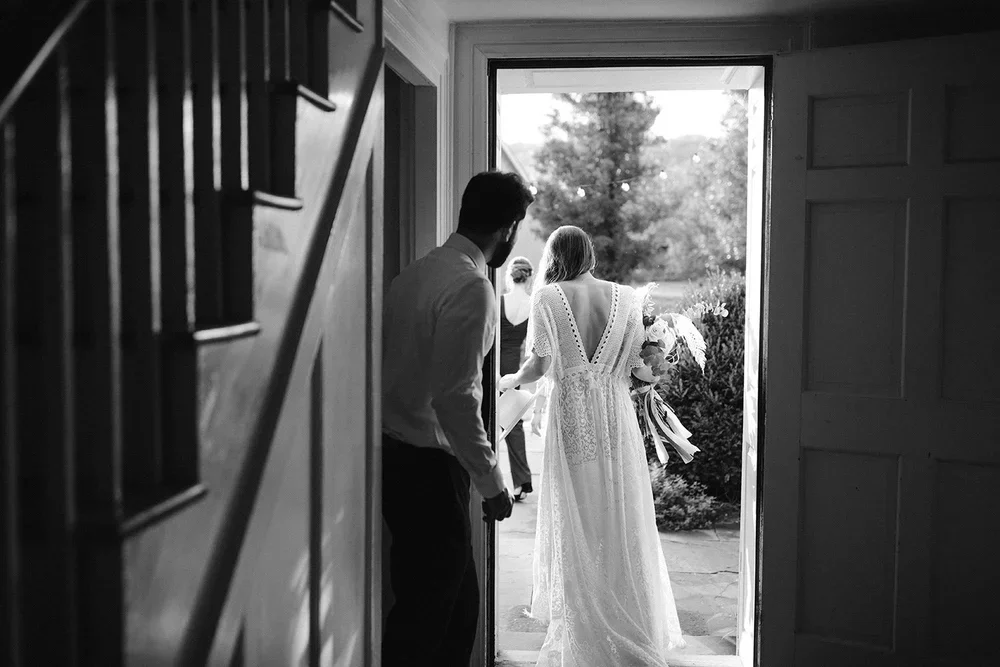
After photographing weddings together for many years, we have come to believe that having two lead photographers is one of the most important things we offer our couples.
Wedding photography is not just about capturing what happens in front of you. It is about anticipating what is about to unfold, reading the room, noticing when emotion is building before it breaks, sensing when the light is shifting, and understanding when to guide and when to step back.
Having two lead photographers means your day is being seen from multiple angles, with two experienced creative minds fully present from beginning to end. There is shared awareness, shared responsibility, and shared care for the story as a whole.
We do not work as a lead and assistant. We work as partners who have photographed weddings together for years, learning how to move through a wedding day with the same instincts and the same intention.
In many ways, it mirrors what a wedding day represents. Two people, choosing to move through life together with the same purpose and the same commitment.
That partnership is something we bring into every wedding we photograph, and it is one of the reasons the day often feels calmer, more natural, and more complete.
Just like you, we are showing up as two people working together with the same intention.
Planning a Wedding in Ohio, Jackson Hole, or Somewhere Meaningful to You?
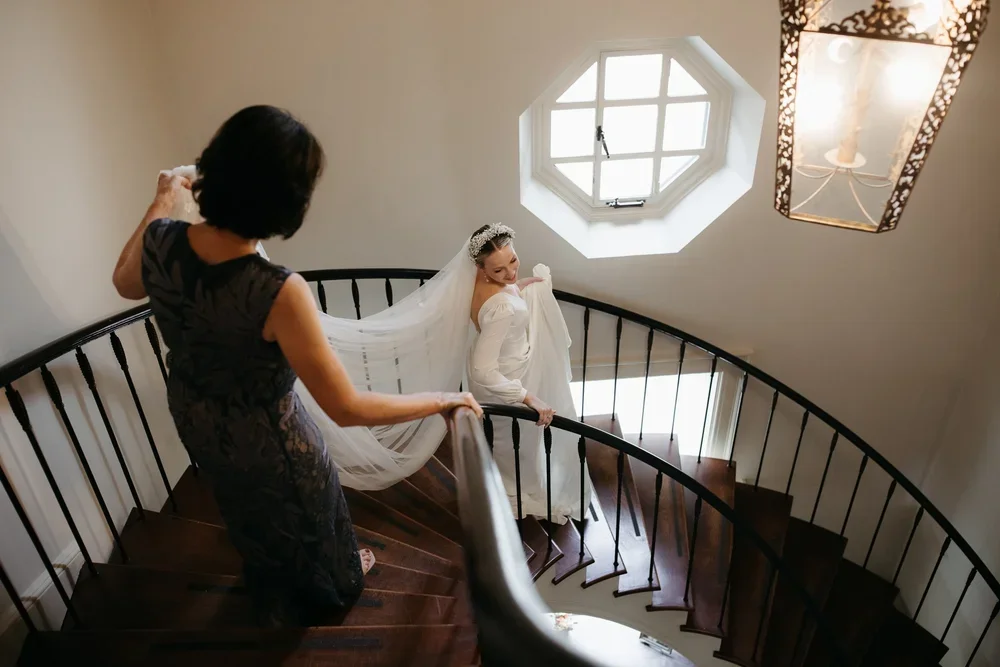
Working as two lead photographers is one of the defining parts of our approach, whether we are photographing a wedding in Ohio, Jackson Hole, or somewhere meaningful to you.
If you are planning a wedding in Cincinnati, Columbus, or Dayton, Ohio, or an intentional celebration in Jackson Hole or the Grand Tetons, we would love to hear what you are envisioning.
We photograph traditional weddings throughout Ohio and destination celebrations where landscape, light, and environment become part of the story.
You can learn more about our work as Cincinnati wedding photographers, Columbus wedding photographers, and Dayton wedding photographers, or explore our Jackson Hole wedding and elopement photography for destination celebrations.
And if you are planning something farther from home, you can explore the destinations we have traveled to and documented over the years.
Or reach out directly to begin a conversation about your date, location, and what matters most to you.