
How to Build a Wedding Photography Timeline That Doesn’t Feel Rushed
This guide walks through how to choose wedding photography coverage hours and structure a timeline that protects the moments that matter most.
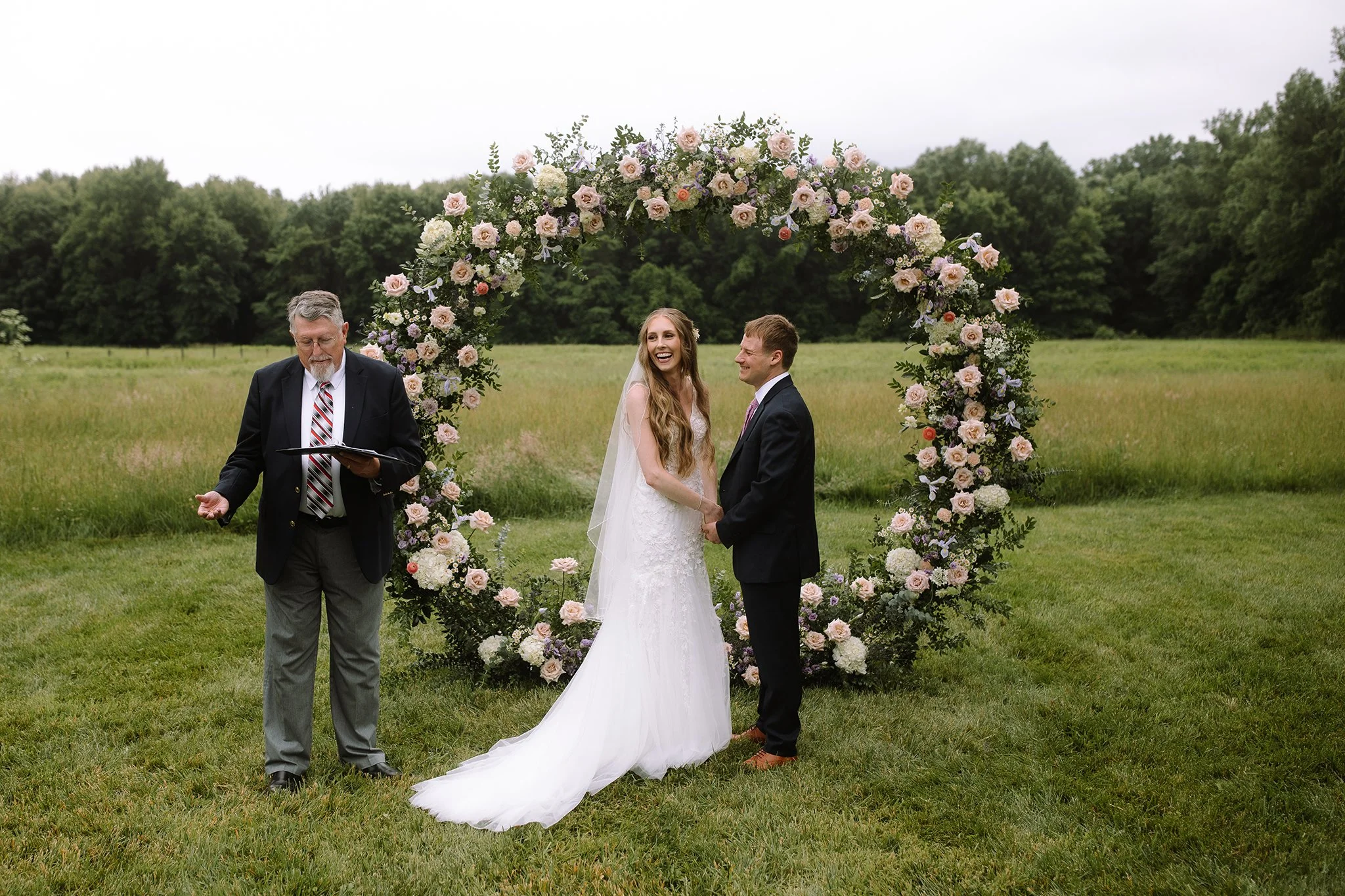
One of the most common things couples tell us after their wedding is:
“I’m so glad the day didn’t feel rushed.”
That feeling does not happen by accident.
A calm wedding day is not about doing less. It is about building a photography timeline that protects what matters most. And a calm timeline doesn’t just make the day easier. It’s also one of the biggest factors in whether a wedding actually feels elevated while it’s happening. We talk more about that here.
After more than a decade of photographing weddings and elopements, we have seen how the right amount of coverage changes everything.
Before choosing six, eight, or ten hours of wedding photography coverage, pause and ask yourselves:
When we look back on this day five, ten, or twenty years from now…
what will feel most important to remember?
Not just what felt beautiful in the moment.
But what you will want intentionally documented.
Your wedding timeline and your photography coverage are connected, but they are not the same thing.
You can structure your wedding day however you’d like.
The real question is:
What parts of it do you want preserved?
Start With What You Want to Remember
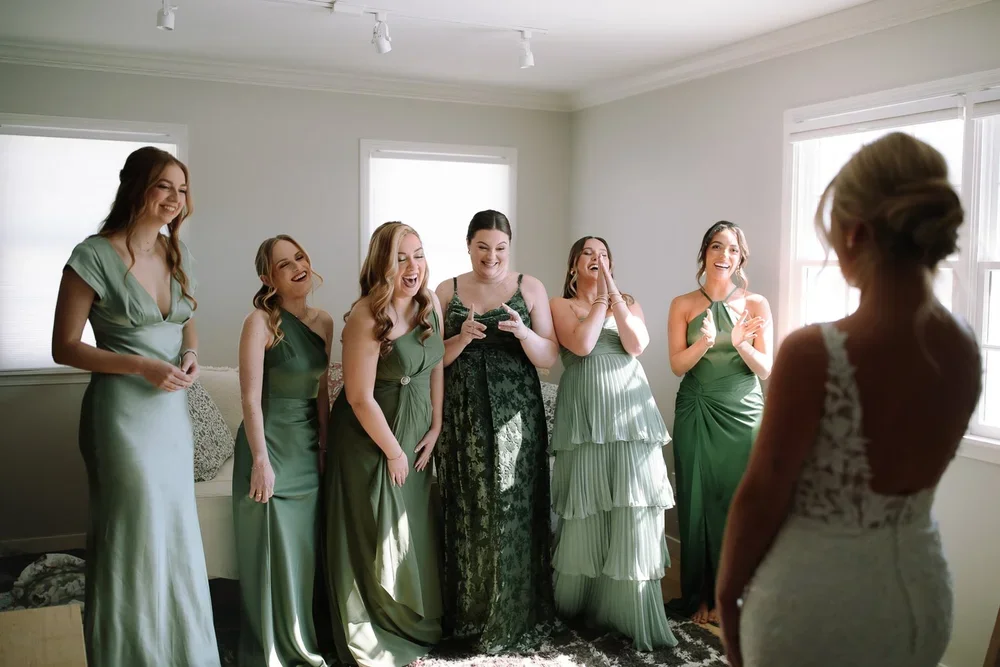
Ask yourselves what you want to remember:
The quiet moment before the ceremony
The way your parents looked at you
Cocktail hour with your friends
The full energy of the dance floor
A slow sunset walk together
Private vows
The weight of your words that morning
Photography coverage doesn’t dictate your day. It simply preserves the pieces you decide are worth remembering. When couples feel rushed, it’s rarely because their wedding was too full. It’s usually because their timeline didn’t leave room to breathe. A calm timeline makes space for the moments you’ll actually remember later, which is often what makes wedding photos meaningful years later.
Choosing Your Coverage Hours
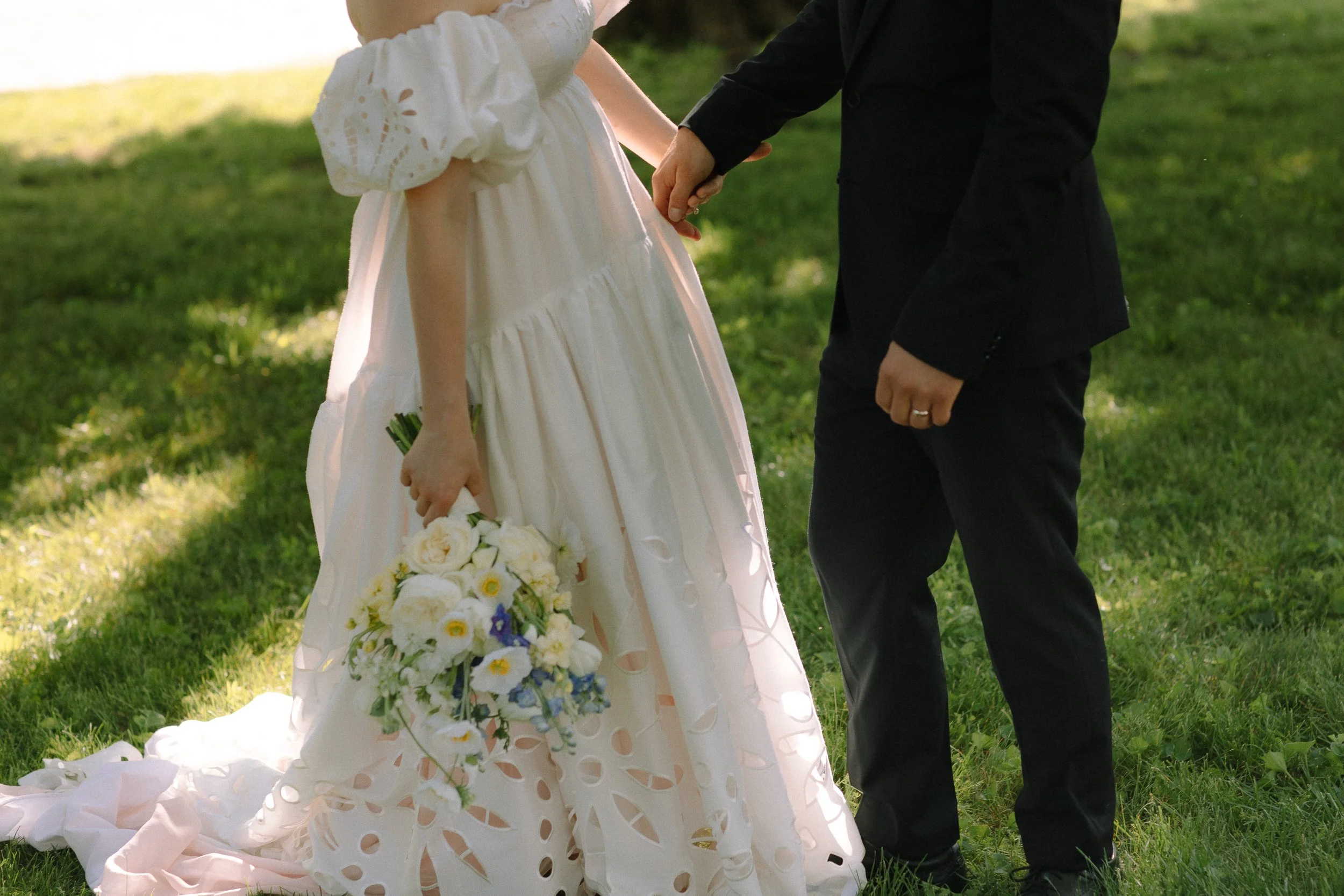
Coverage hours don’t change how long your wedding lasts. They determine what parts of it can be documented without pressure. Here’s what that looks like in practice.
6 Hours of Coverage
Six hours can work beautifully when the day is intentionally simple.
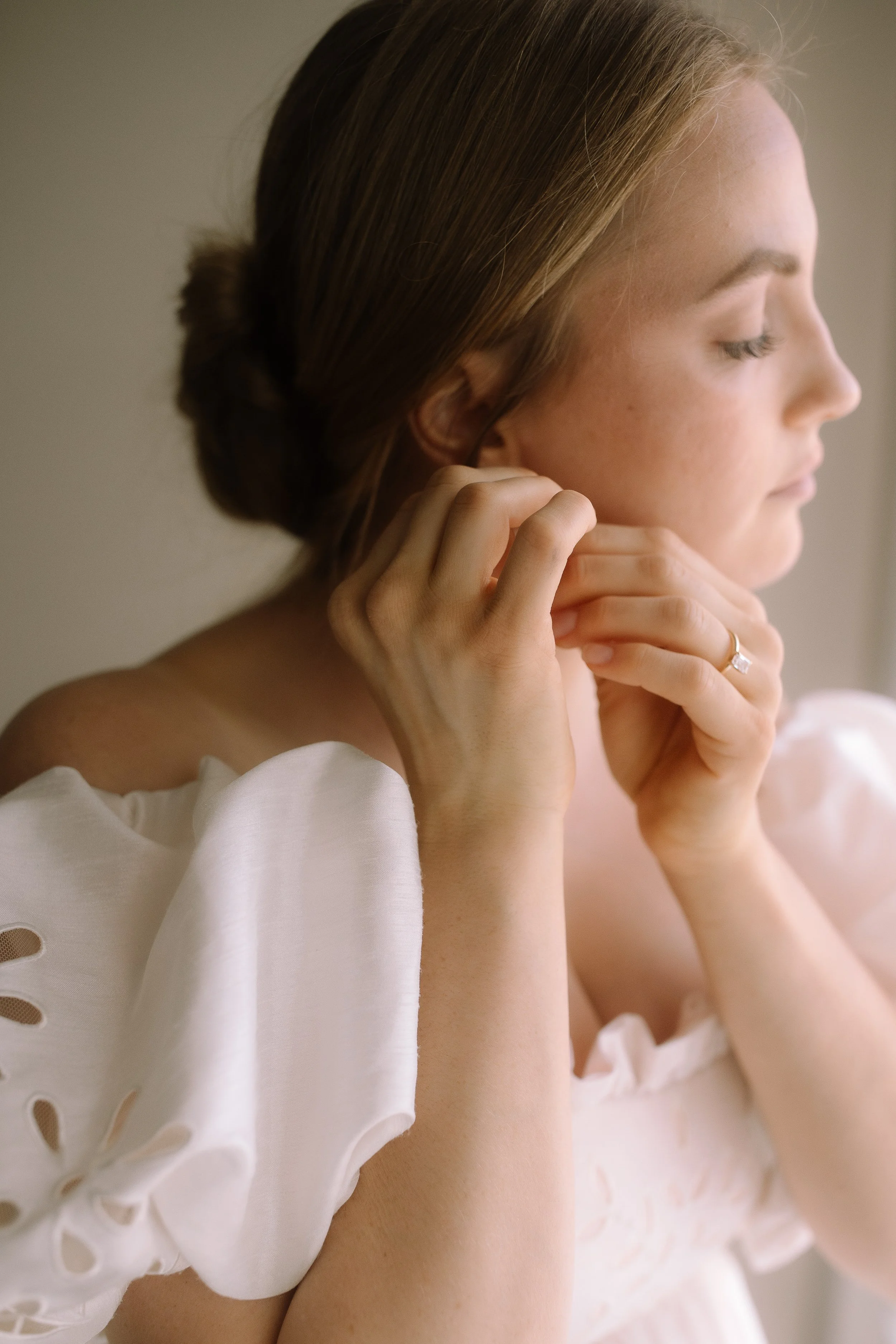
It works well for:
Smaller guest counts
One central location
Minimal travel
Shorter receptions
But six hours requires clarity.
It means deciding: What do we most want preserved?
If you want:
Full getting ready coverage
Wedding party portraits
Large extended family combinations
Sunset portraits
Reception dancing
That’s typically closer to eight hours of wedding photography coverage.
The biggest mistake isn’t booking six hours.
It’s booking six and trying to fit eight hours of expectations inside it.
Can we photograph wedding party portraits efficiently? Absolutely.
We can photograph all the bridesmaids in 15 minutes if we need to.
But if you want:
Movement
Individual portraits
Candid interaction
Creative space
Natural images that don’t feel rushed
That takes more than 15 minutes.
Six hours works beautifully when expectations match the time.
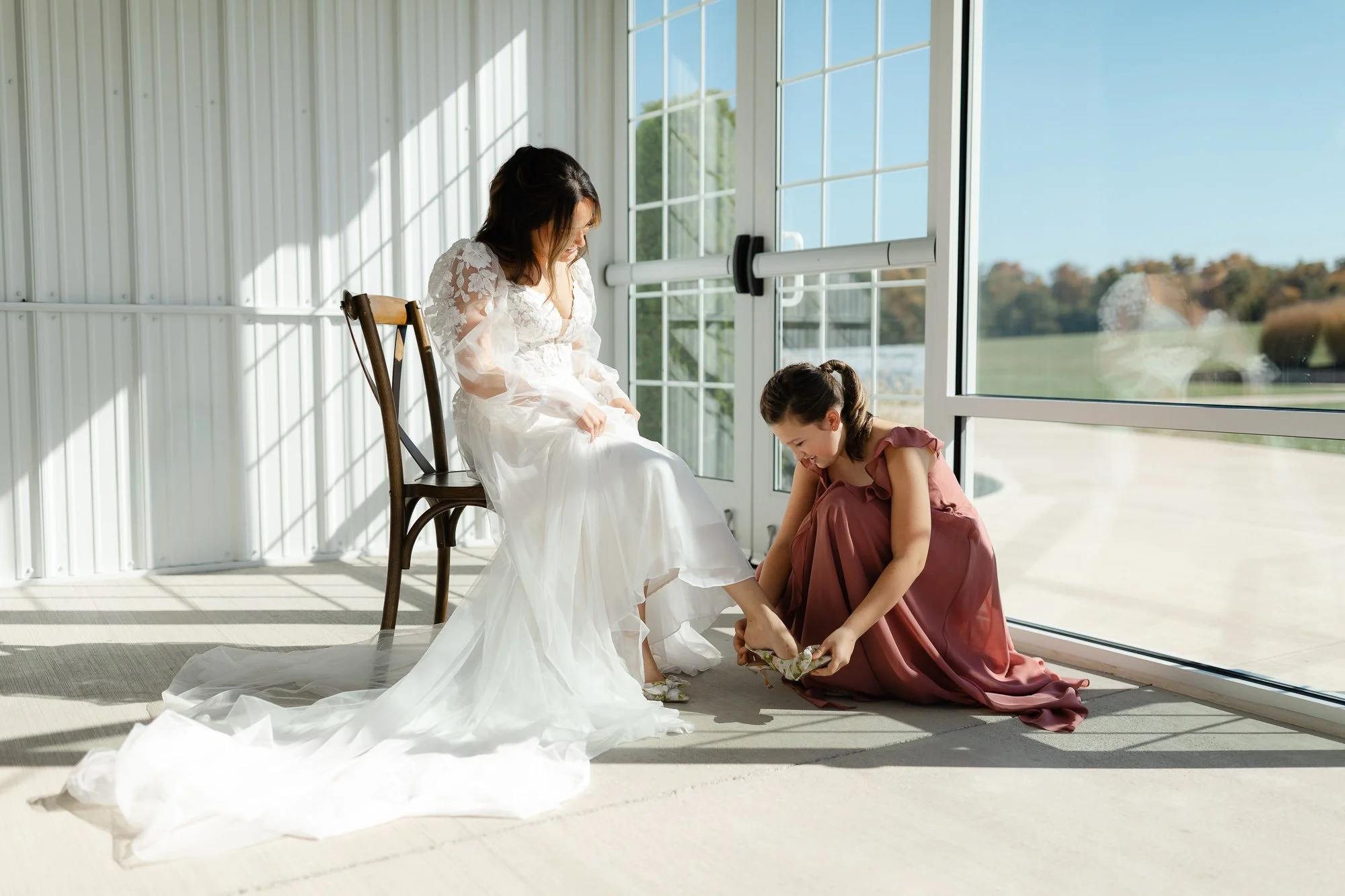
7 Hours of Coverage
Seven hours adds breathing room.
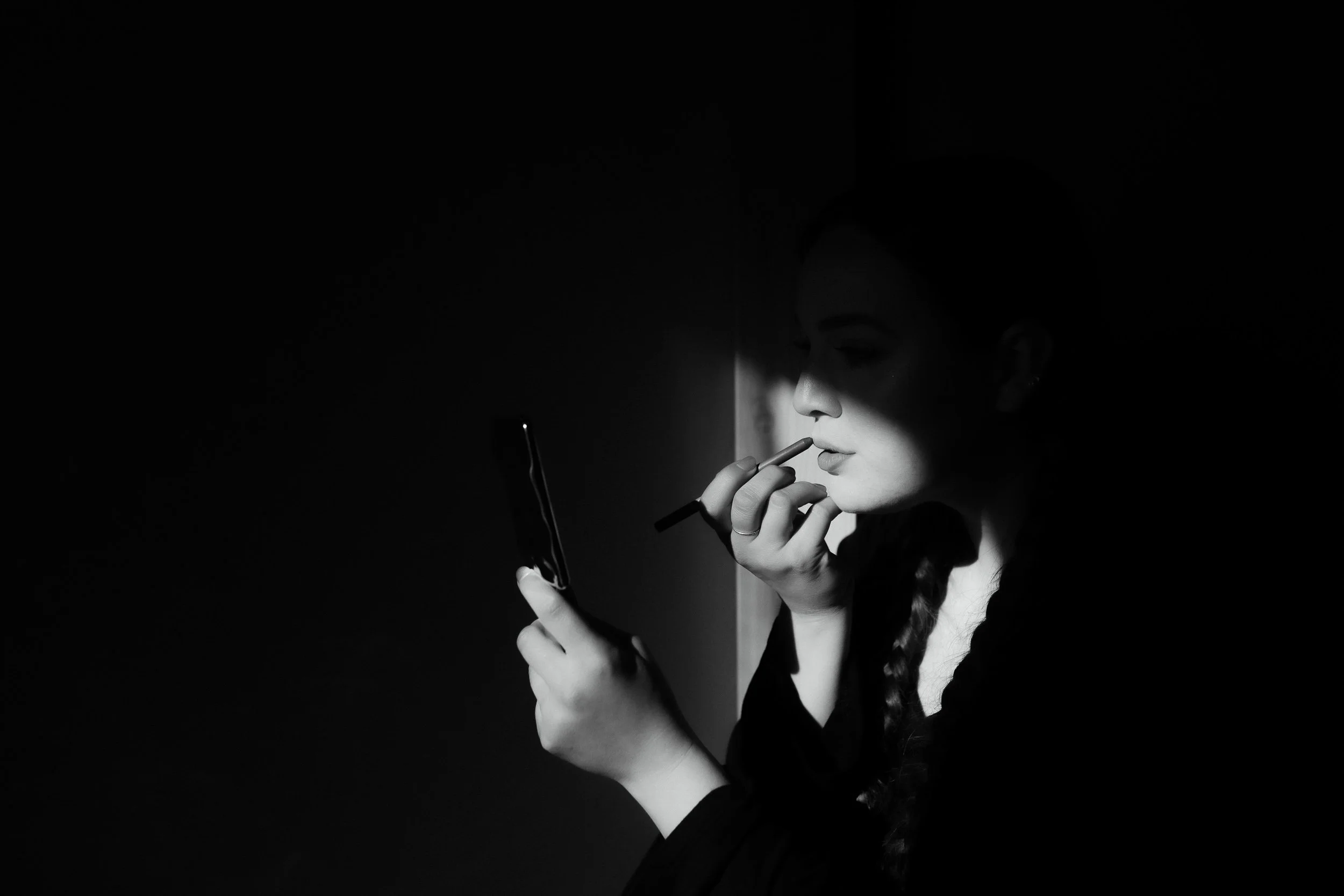
It often allows:
A first look
Wedding party portraits
Immediate family portraits
Ceremony
A short sunset window
Key reception moments
It’s often a balanced option for single-location weddings, outdoor venues, garden settings, or days where everything happens in one place.
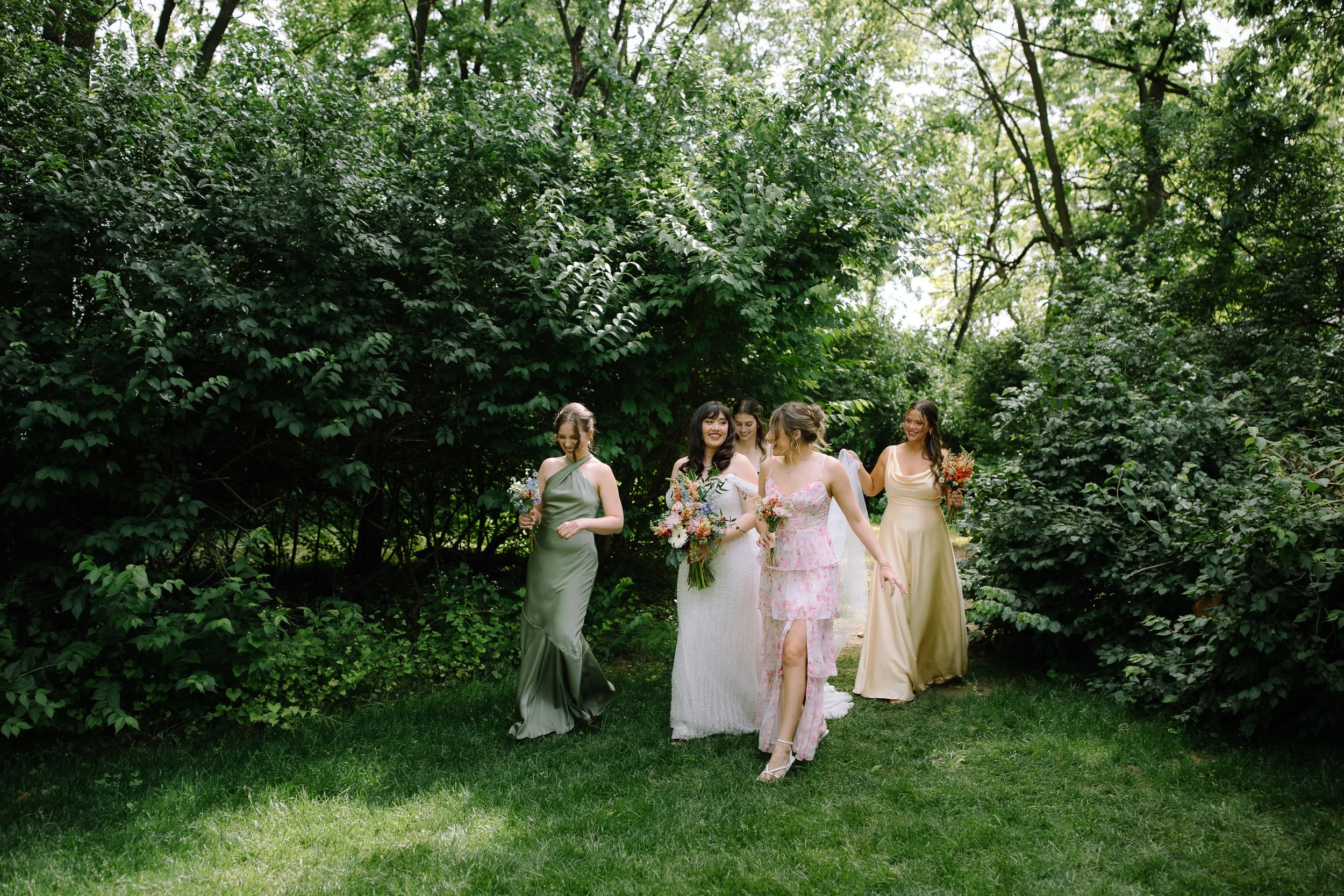
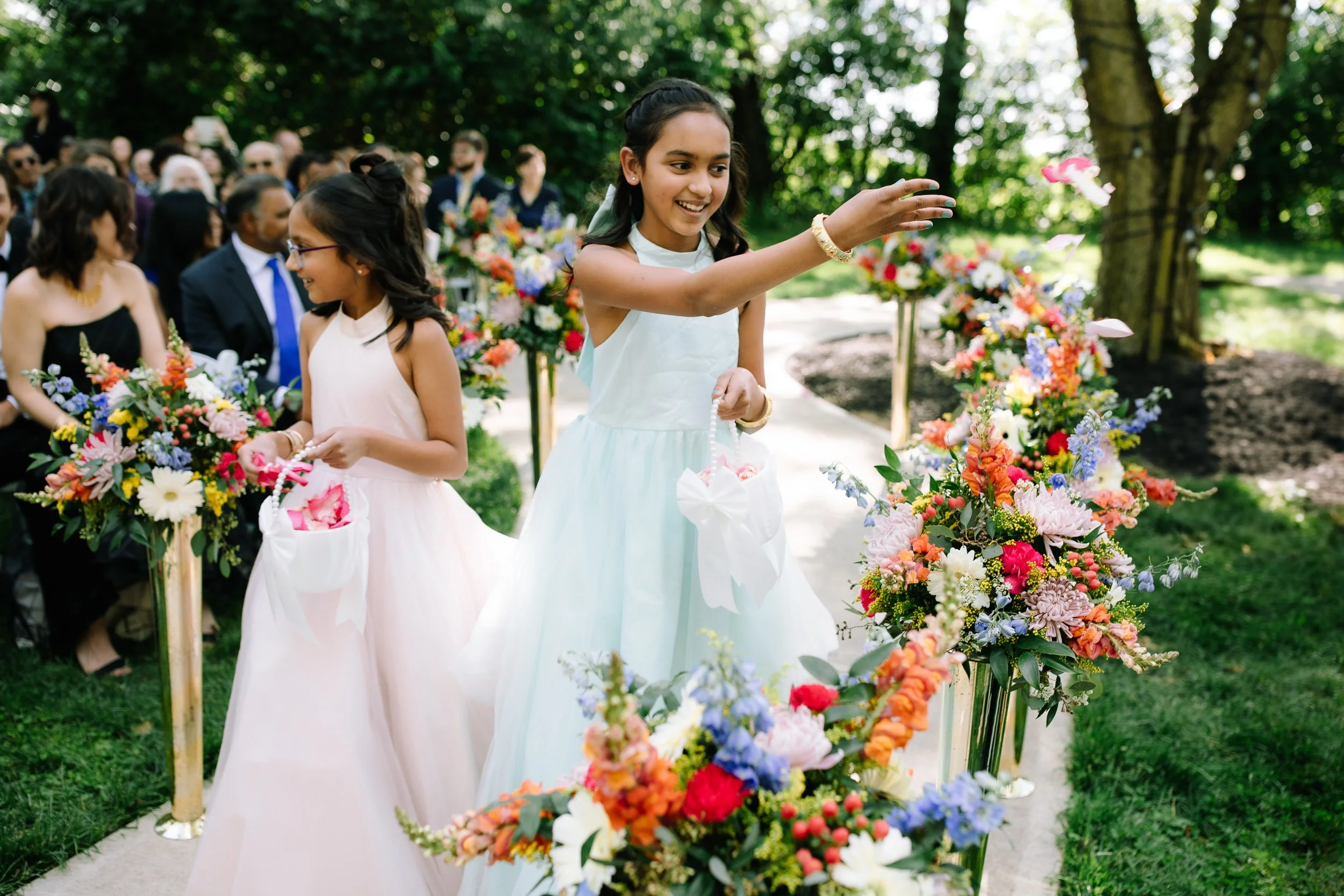
We often tell couples that if they’re considering six hours, seven is usually the wiser choice.
That one additional hour may not seem like much on paper, but in practice it gives your timeline space to absorb small delays, emotional moments, and transitions without everything feeling compressed.
It allows portraits to feel creative instead of efficient.
It allows you to breathe between sections of the day.
It allows an unexpected delay without losing sunset.
Seven hours doesn’t dramatically extend your coverage — it protects it.
For couples who feel like six hours might be tight but aren’t sure they need a full eight, seven often creates the calm pacing they’re hoping for.
8–9 Hours of Coverage
This is where most traditional wedding days feel relaxed.
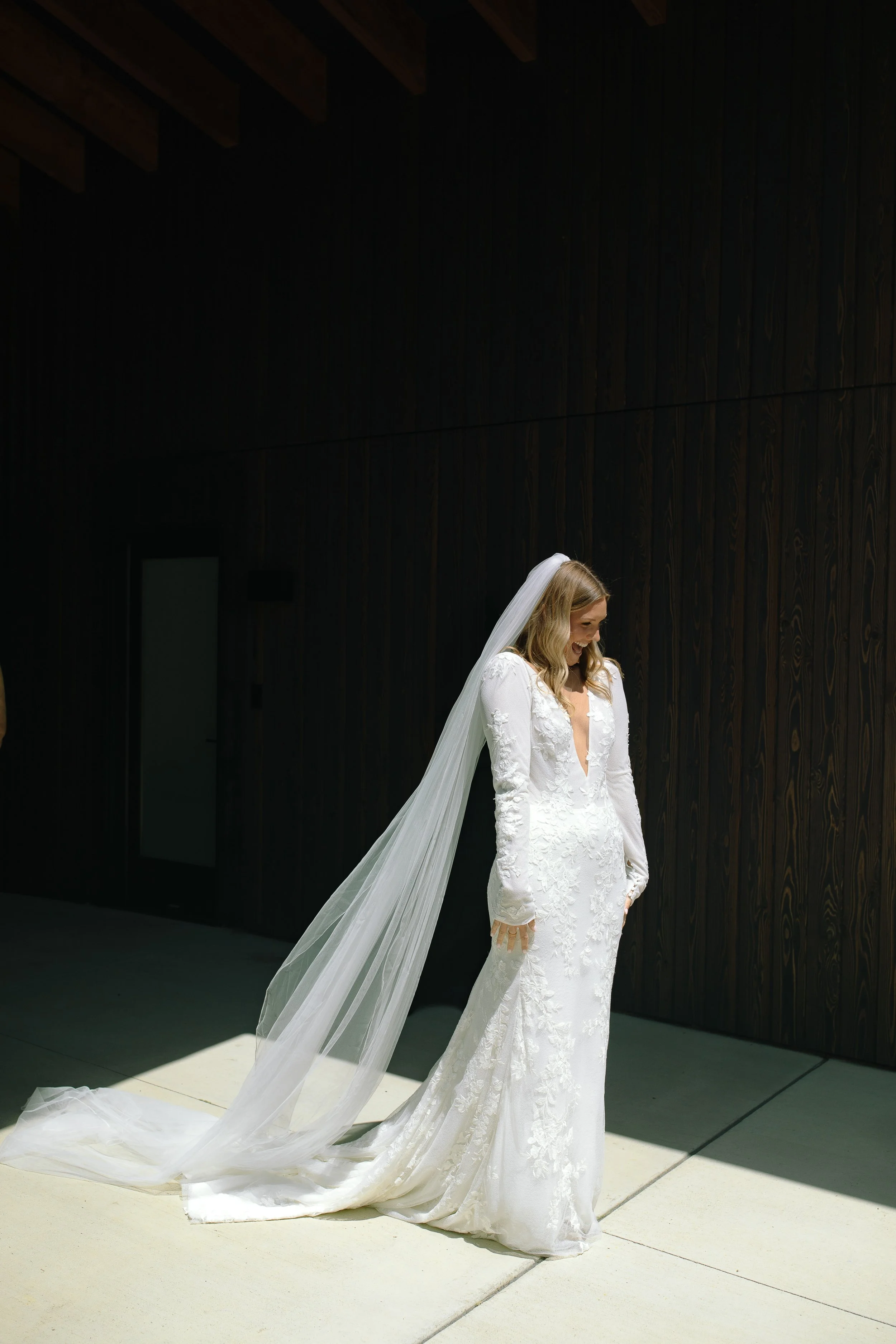
Eight or nine hours allows space for:
Getting ready coverage
Flat lay detail photography
First look
Private vows
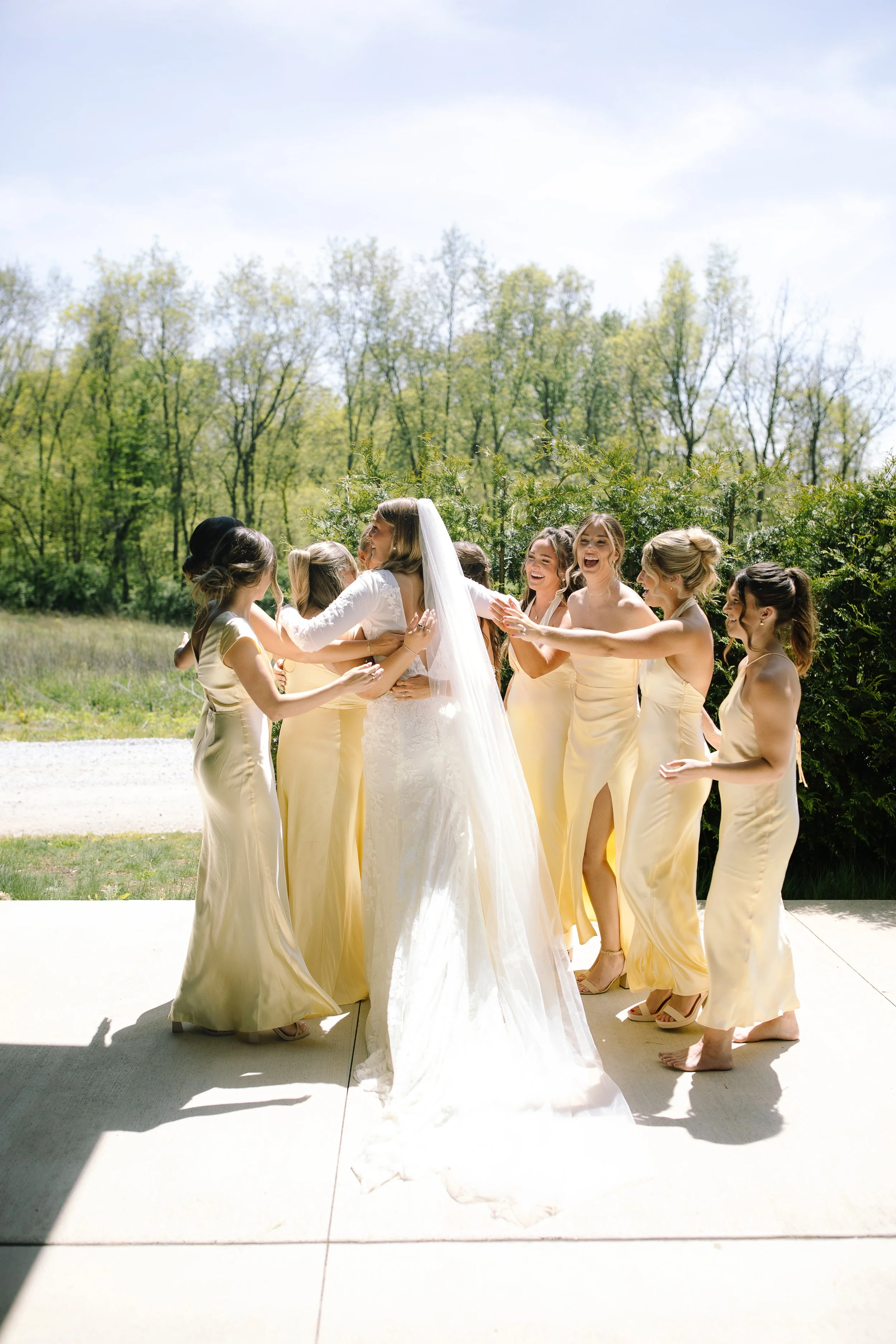
Wedding party portraits
Immediate family portraits
Ceremony
Sunset portraits
Reception details
Toasts and first dances
Open dancing
It also allows margin.
Margin for:
Hair and makeup running late
Travel delays
Guests lingering
Emotional moments that deserve time
That breathing room changes everything. The day feels lived in, not tightly scheduled. That sense of space is often what makes a wedding feel calm instead of rushed, and it’s one of the biggest differences between a day that feels elevated versus one that feels overwhelming.
10 Hours of Coverage
Ten hours gives freedom. Not more photos. Freedom.
Freedom to:
Document more in the morning
Include multiple locations
Capture cultural or religious traditions
Photograph late-night dancing
Never feel compressed
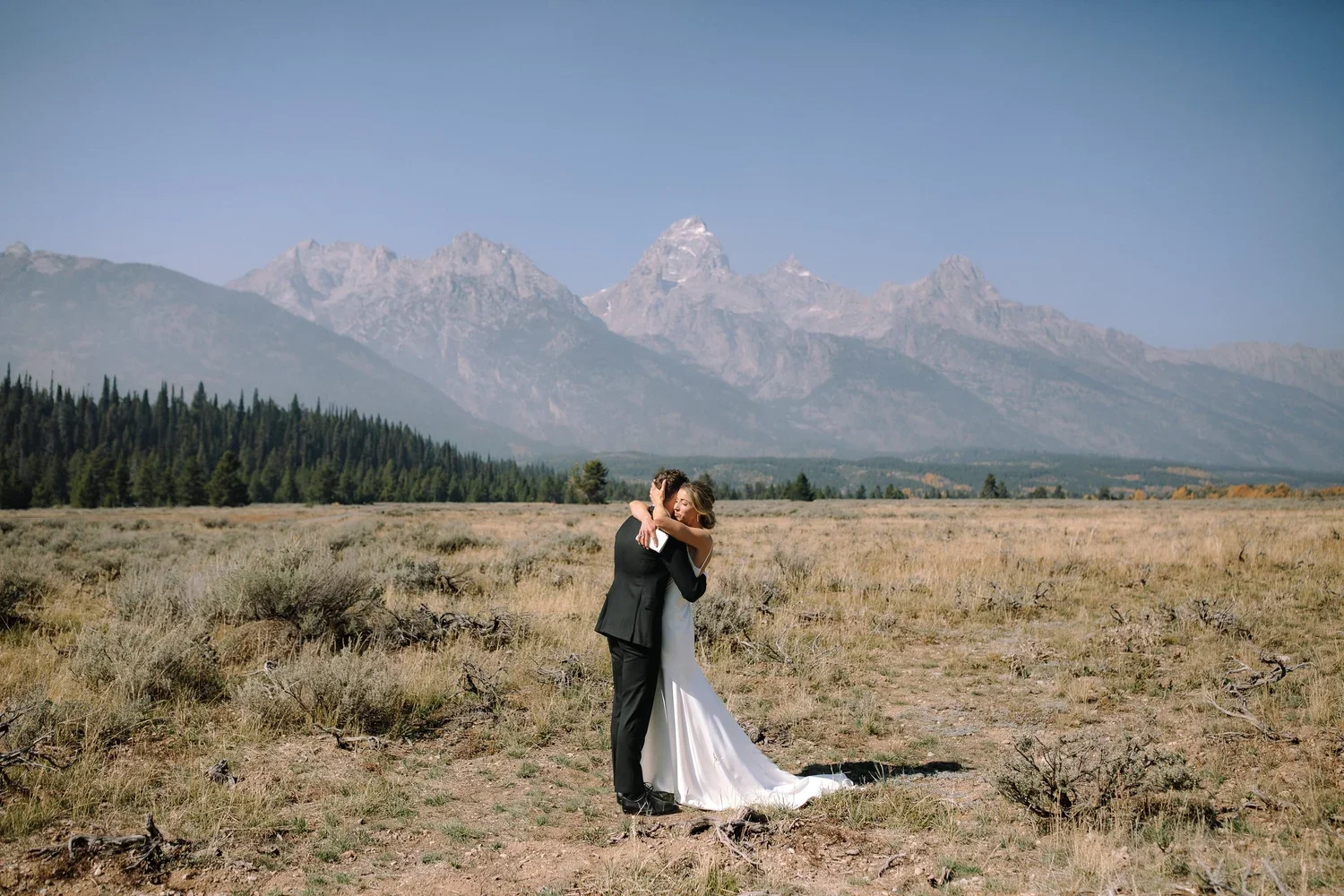
For example, at this Rendezvous Lodge wedding at Jackson Hole Mountain Resort, the couple booked ten hours. They had a first look with private vows, portraits in multiple locations, and still had time to fully enjoy their reception.
Nothing felt rushed because nothing had to be compressed.
If you want coverage for nearly every part of the day, ten hours supports that.
If you don’t, that’s completely okay.
You just need to be honest about what you’re comfortable simplifying.
Putting It Into Action
Now let’s talk about how these decisions actually affect your day.
First Look vs Seeing Each Other at the Ceremony
About half our couples choose a first look.
About half love the tradition of seeing each other at the ceremony.
Both are meaningful.
If You Choose a First Look
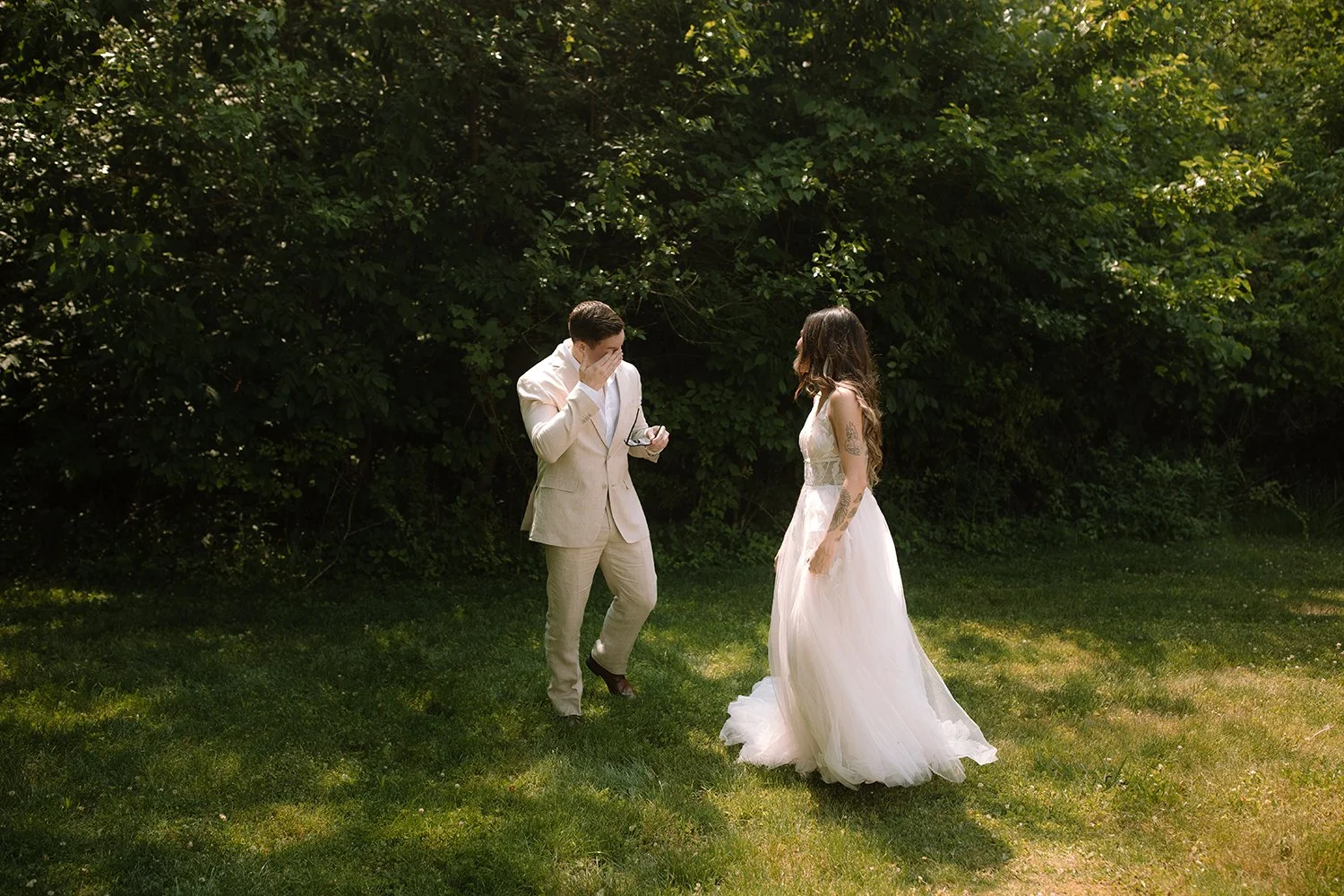
A first look creates space.
It allows you to:
Exchange private vows
Complete wedding party portraits early
Finish immediate family portraits
Take couple portraits
Join cocktail hour
It spreads the day out.
It gives you intentional time together before everything begins.
And because portraits are done earlier, cocktail hour becomes something you attend instead of something you miss.
If You Choose to See Each Other at the Ceremony
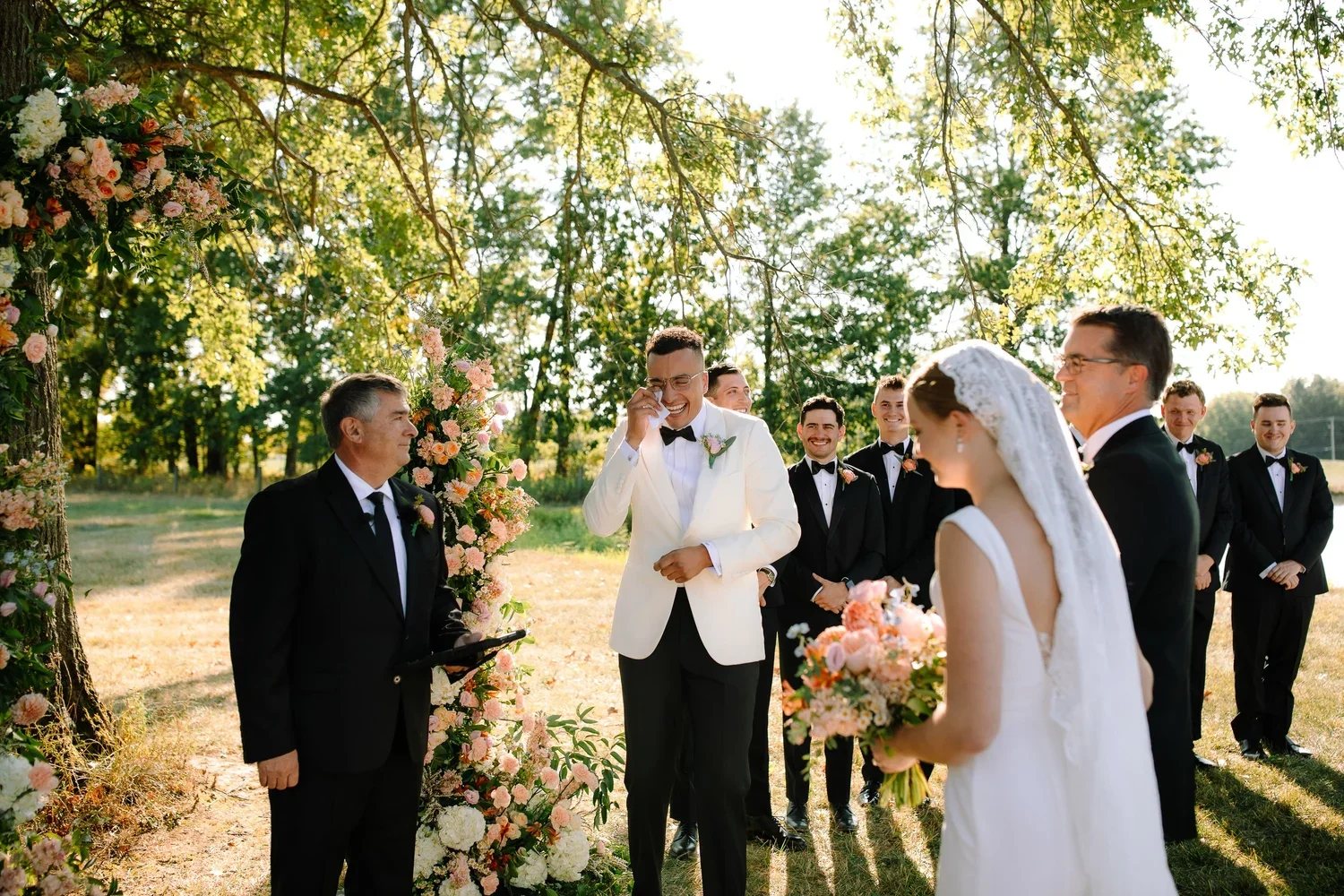
That moment can be incredibly powerful.
Walking down the aisle for the first time and seeing each other surrounded by everyone you love is deeply meaningful for many couples.
But afterward, we do need to be realistic about timing.
Following the ceremony, we typically need to complete:
Family portraits
Wedding party portraits
Some couple portraits
If we try to fit all of that fully into cocktail hour, it often means you won’t attend much of it.
That’s not wrong. It’s simply the trade-off.
Some couples value tradition more than attending cocktail hour, and that’s beautiful. But here’s where intentional planning matters. If you want to see each other at the ceremony and join part of cocktail hour, we can often adjust the flow.
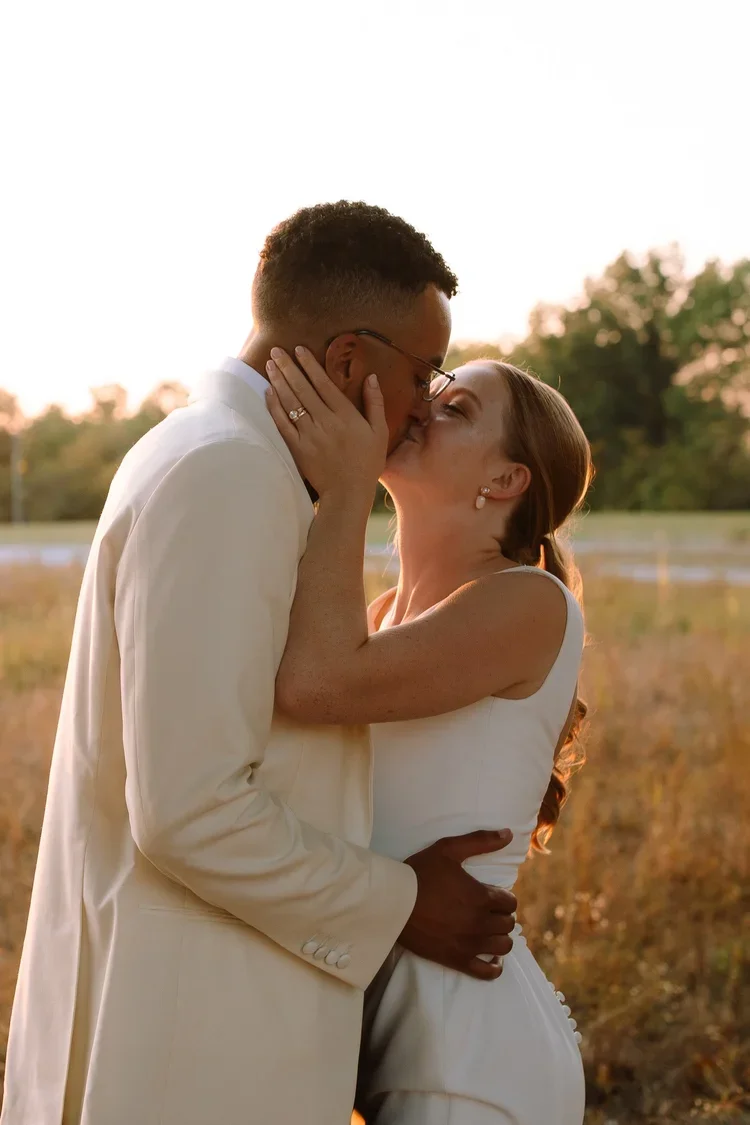
For example:
We can prioritize immediate family and wedding party portraits right after the ceremony.
Then allow you to join cocktail hour for a portion of it.
And depending on sunset timing, step away later during dinner or early dancing for dedicated couple portraits.
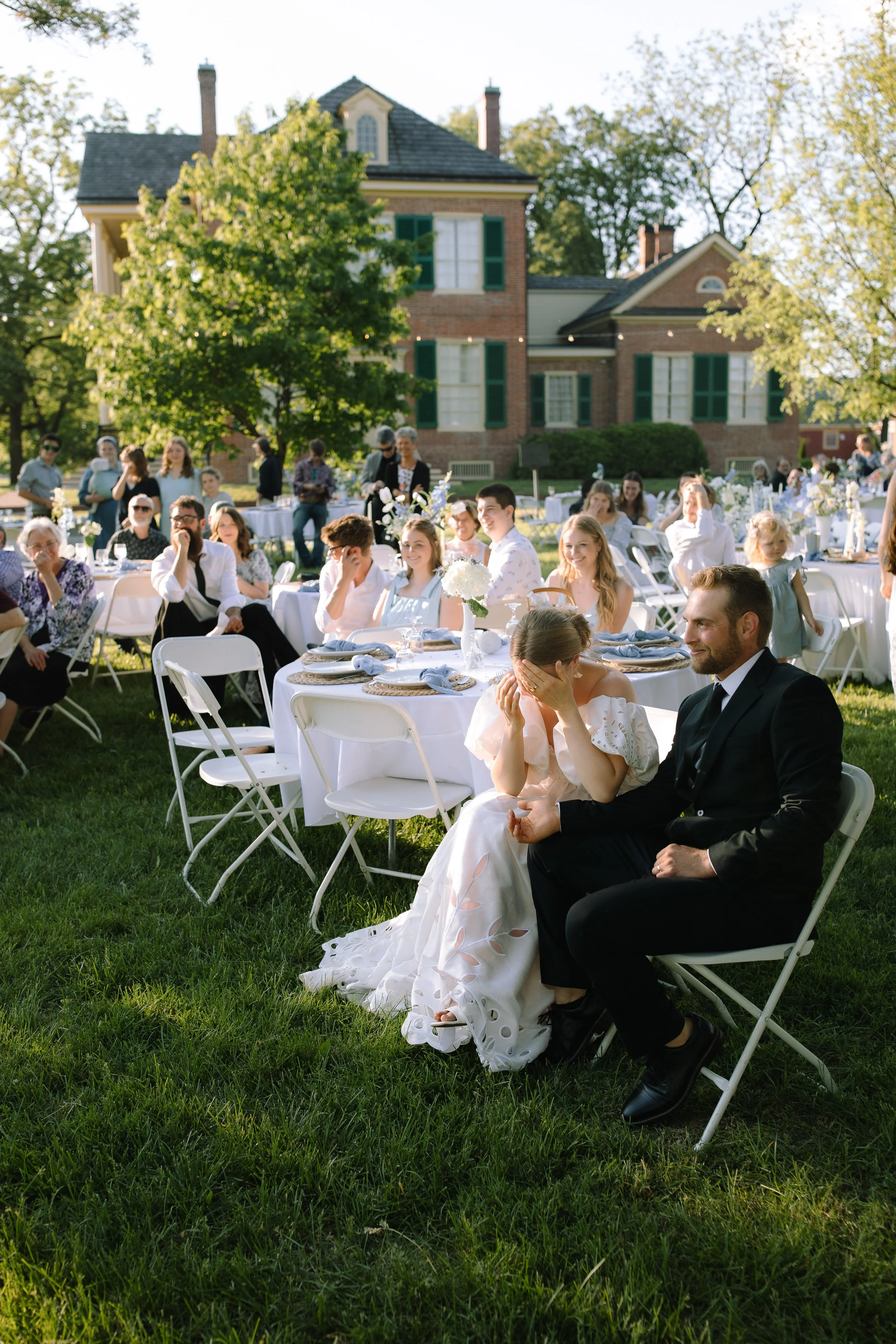
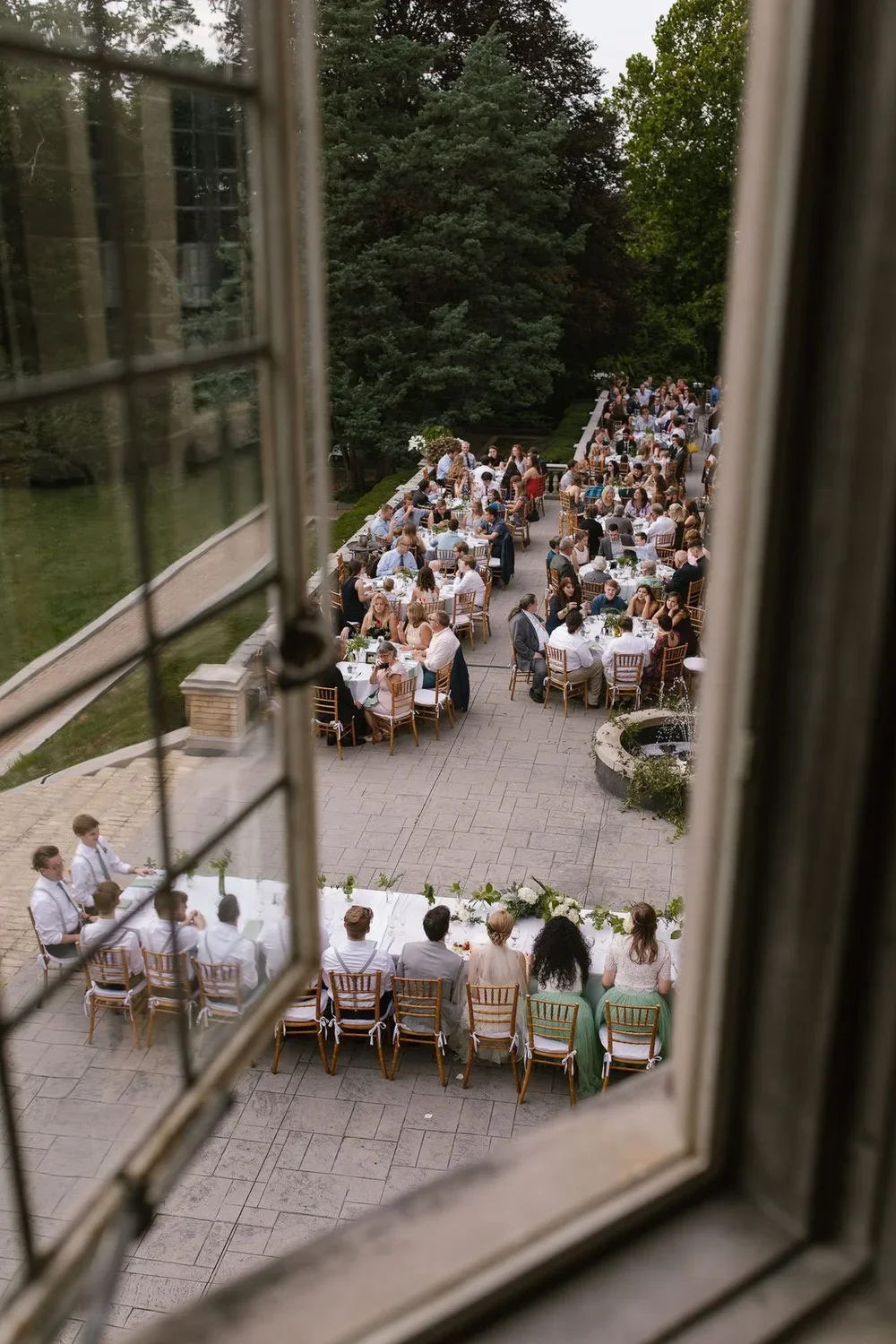
For example, at this late summer wedding at Oak Grove in Columbus, the couple chose not to do a first look. They prioritized tradition, joined part of cocktail hour after group portraits, and then stepped away briefly for sunset portraits while guests were finishing dinner.
It worked beautifully because they understood the pacing and trusted the structure.
There’s no wrong choice.
There’s just awareness of what each option preserves —
and building the timeline around that intentionally.
Family Portraits: Keep What Truly Matters
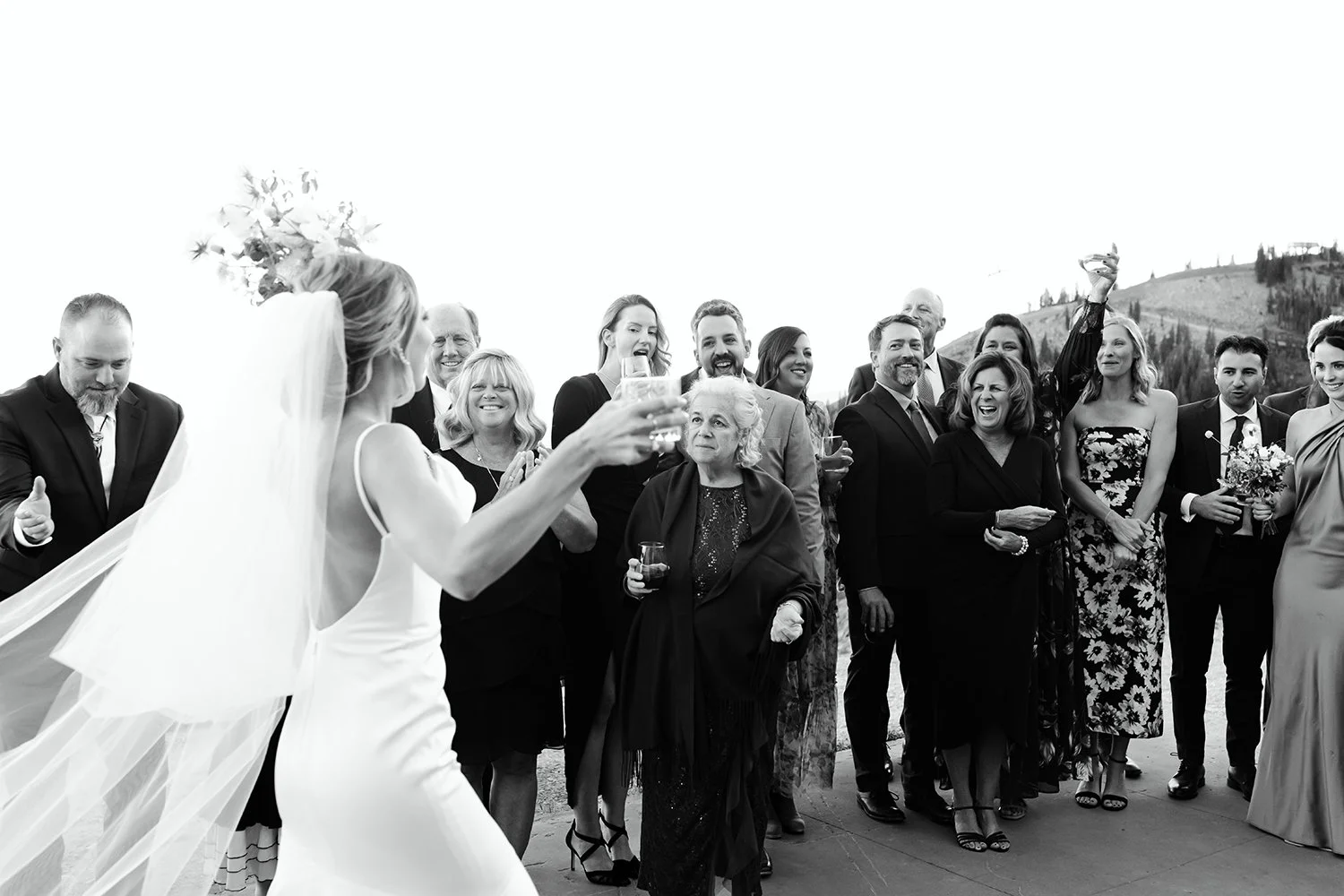
Family portraits are important. They matter. They will likely be framed. They will live on walls and in albums for decades. But this is also where timelines expand quickly.
We once photographed a wedding with over 40 family combinations. It took far longer than anyone expected.
People wander off.
Guests get pulled into conversations.
Someone is always missing.
And by the end, everyone felt a little tired. Later, most of those combinations are rarely printed or revisited.
Family formals work best when they focus on:
Immediate family
The combinations that will actually be framed (think, “what will mom/grandma want?”)
If you’d like one large extended family photo, we can absolutely do that.
But dozens of small variations often add stress without adding long-term value.
And here’s something couples don’t always realize: You don’t have to formally line up with every guest to have a meaningful photo with them.
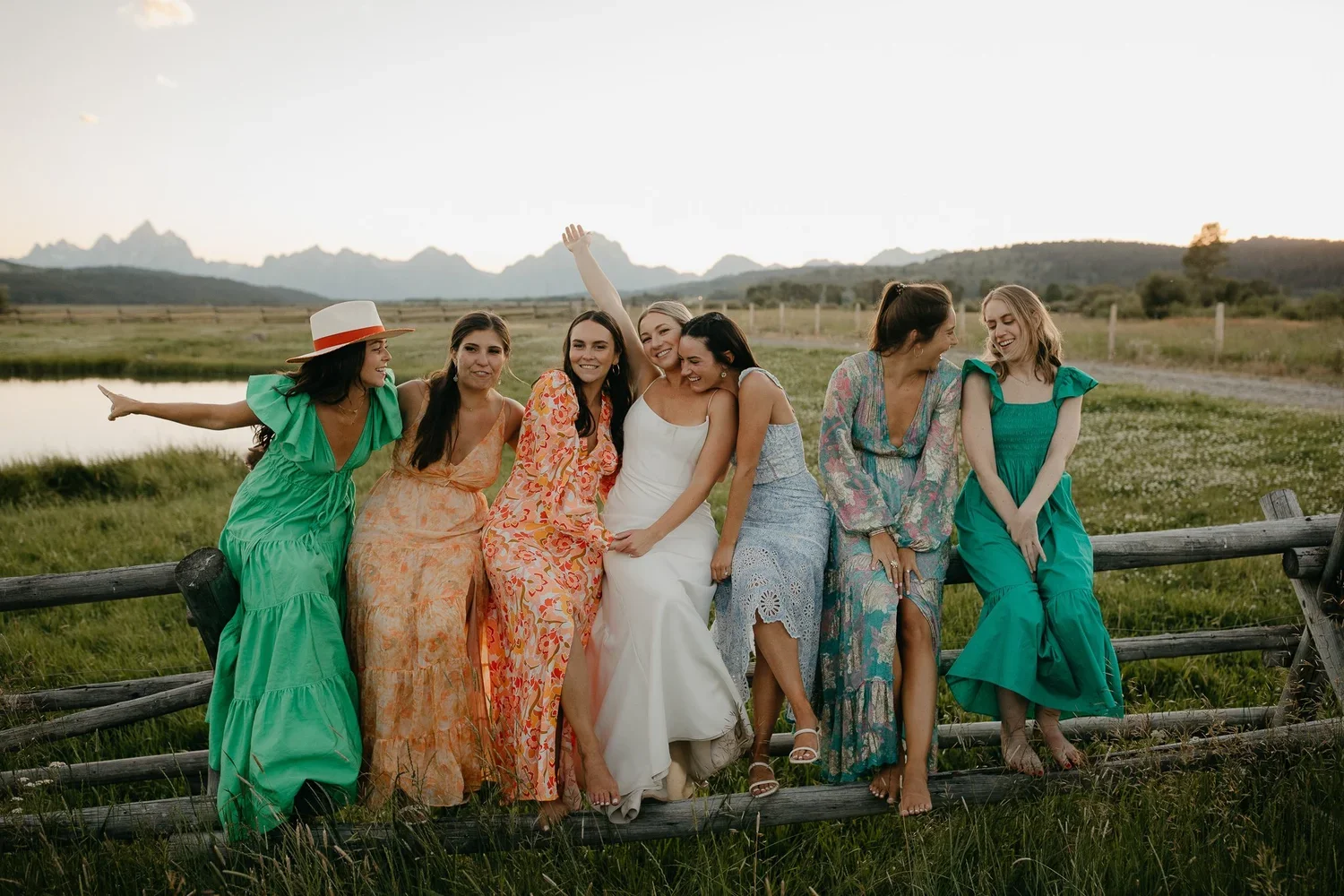
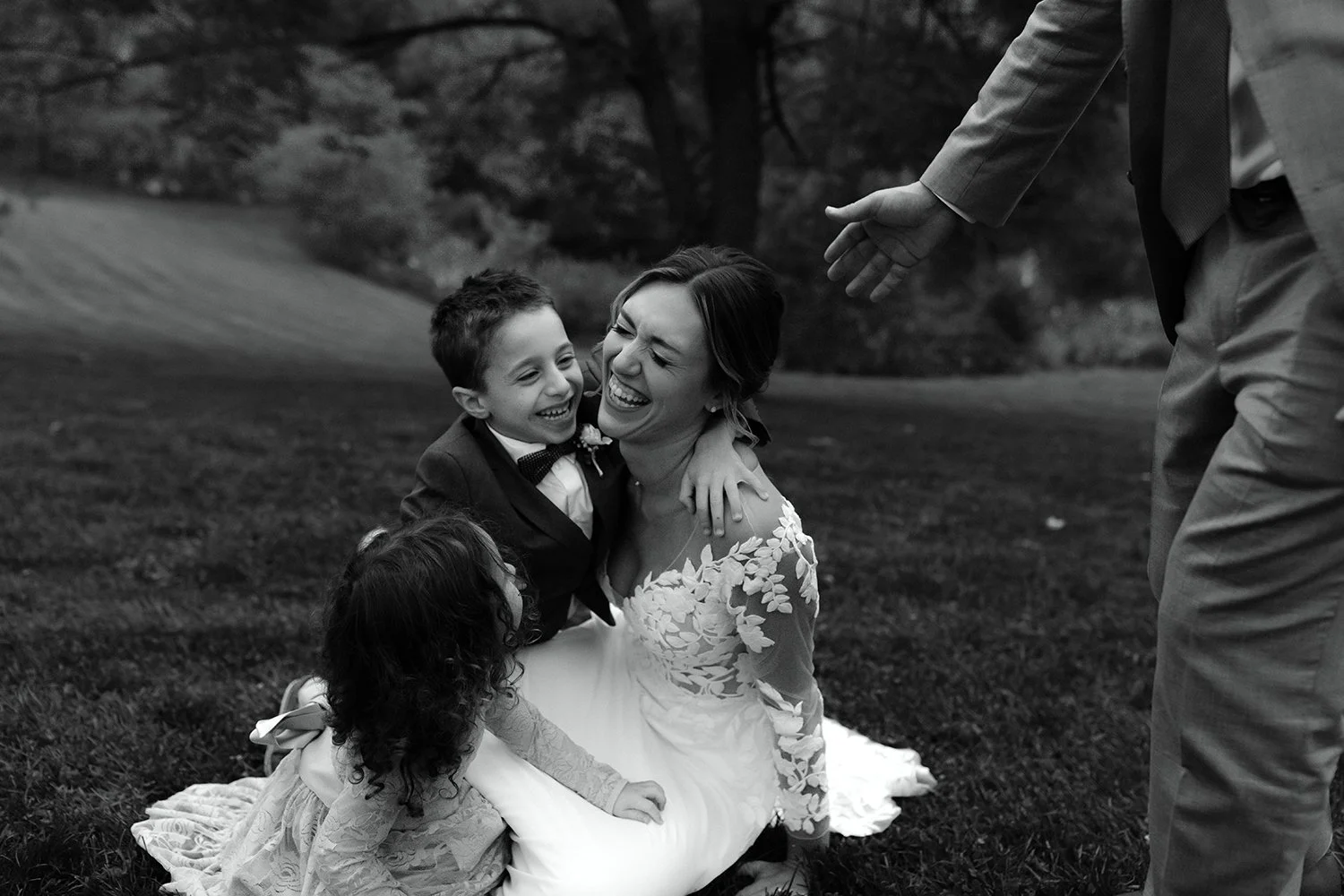
During cocktail hour and the reception, we naturally create relaxed portraits with friends, cousins, coworkers, and extended family.
Sometimes that looks like a quick group hug.
Sometimes it’s laughter mid-conversation.
Sometimes it’s everyone turning toward the camera for a quick photo while holding their drinks.
They’re not stiff.
They’re not overly posed.
But they’re still intentional.
They feel lived in.
And often, those are the photos couples love most.
So instead of manufacturing 25 combinations during formal portrait time, we often recommend:
Keep the formal list intentional.
Let the rest unfold naturally throughout the evening.
It protects your timeline.
And it protects the energy of the day.
Protecting Cocktail Hour
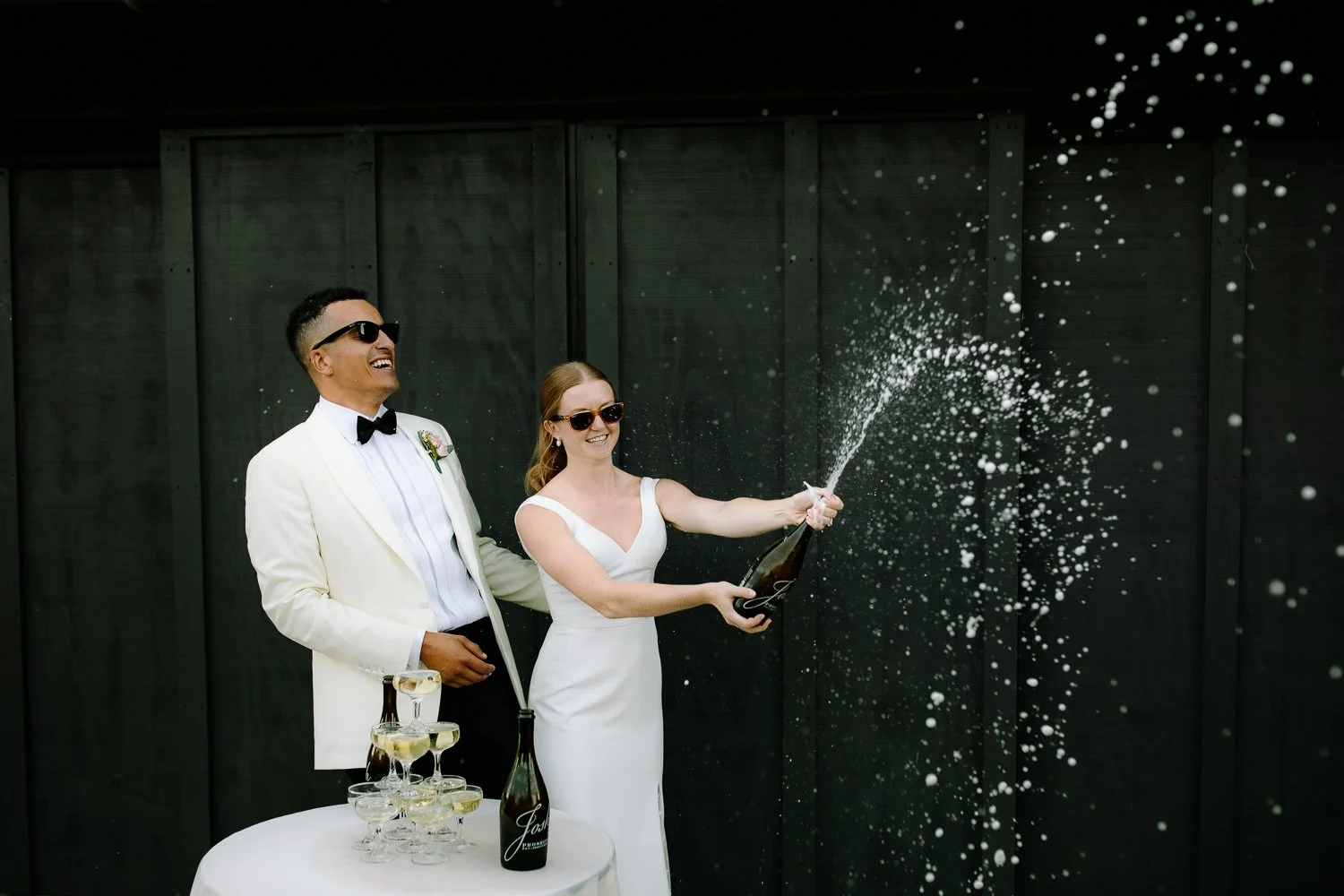
If you want to attend cocktail hour, a first look is usually the simplest way to protect it.
If you prefer a ceremony reveal, cocktail hour becomes portrait time.
Another solution is stepping away later.
Stepping Away for Evening Portraits
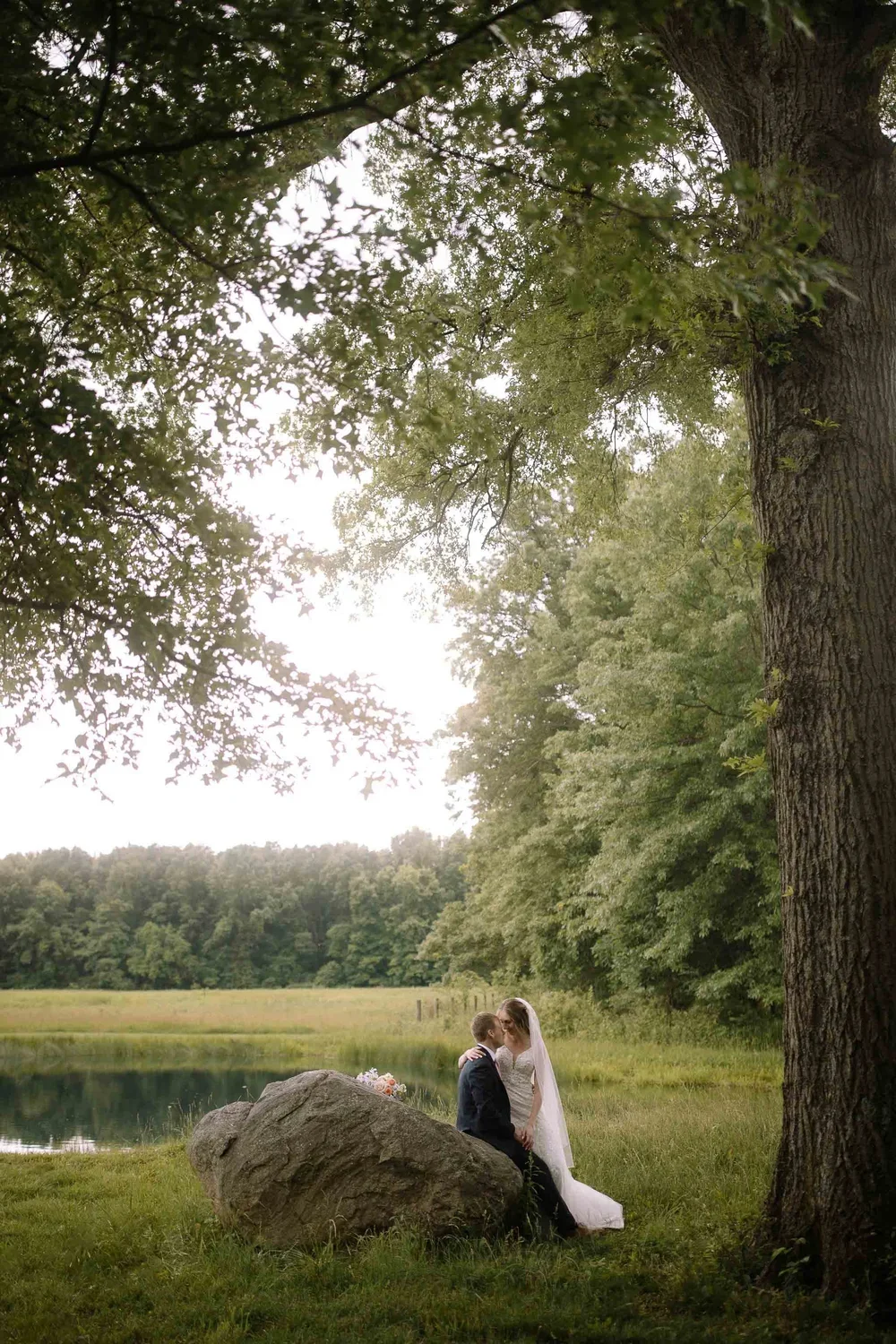
Depending on the season, we often recommend stepping away for 20–30 minutes during dinner or dancing.
This isn’t “leaving your guests for a photo session.”
It’s a reset.
On a wedding day, everyone is speaking to you individually.
Your attention is constantly divided.
Stepping away allows you to:
Reconnect
Take a breath
Process what just happened
Be together without interruption
Those images are often the ones couples return to years later.
Guests can enjoy:
Dinner
Dancing
A planned activity
It doesn’t disrupt the reception. It enhances it.
The First Moments of Coverage Set the Tone
Whether coverage begins at 9:00 in the morning or 1:00 in the afternoon, those first moments matter.
The beginning of your documented day sets the emotional tone for everything that follows.
For some couples, that looks like full getting ready coverage.
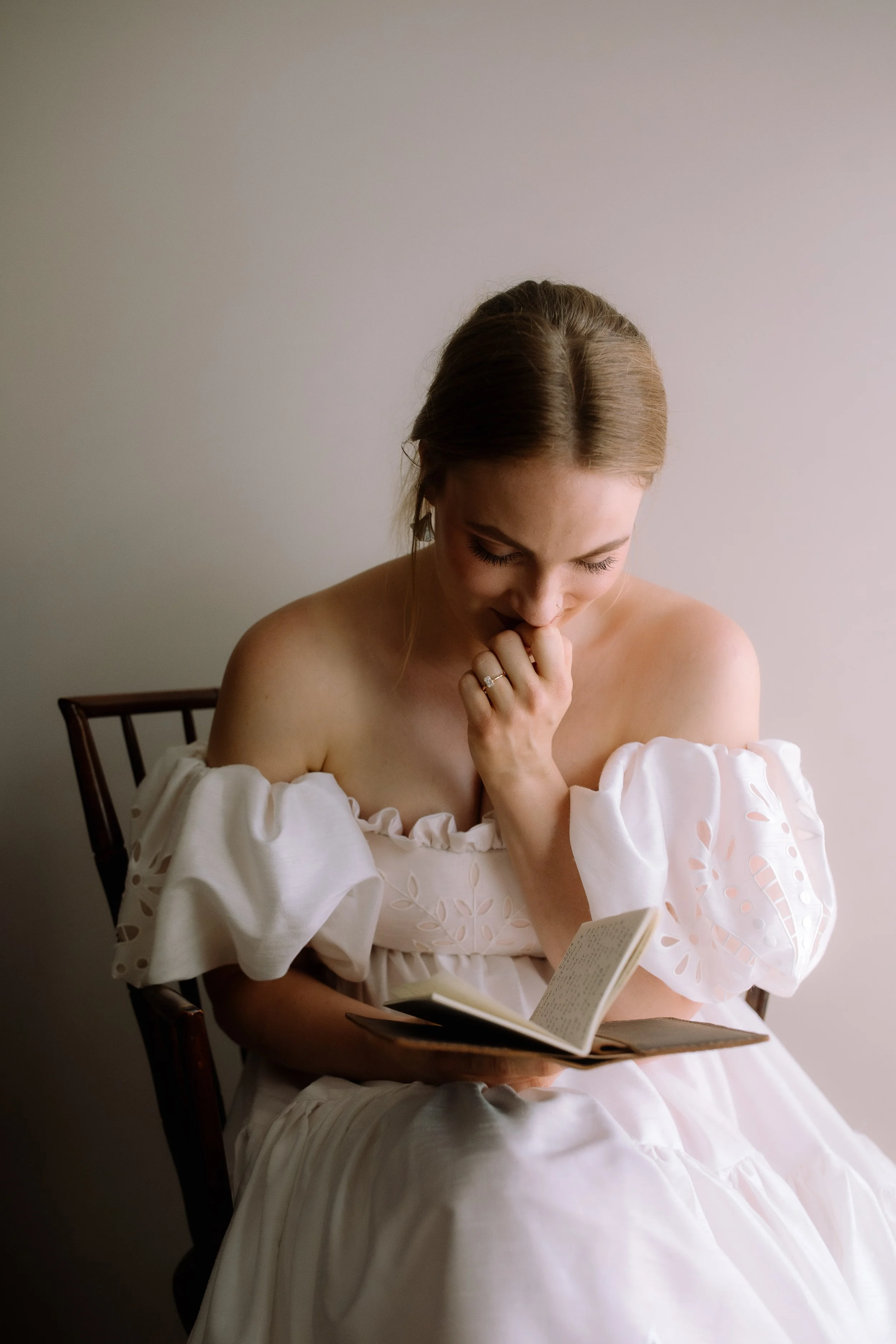
For others, it’s finishing touches — buttoning a dress, adjusting a tie, quiet conversations before the ceremony.
Some couples choose to handwrite their vows into their vow books at the start of coverage.
It slows everything down. It gives weight to the words.
It creates a moment of reflection before the day fully unfolds.
It’s also incredibly meaningful to photograph.
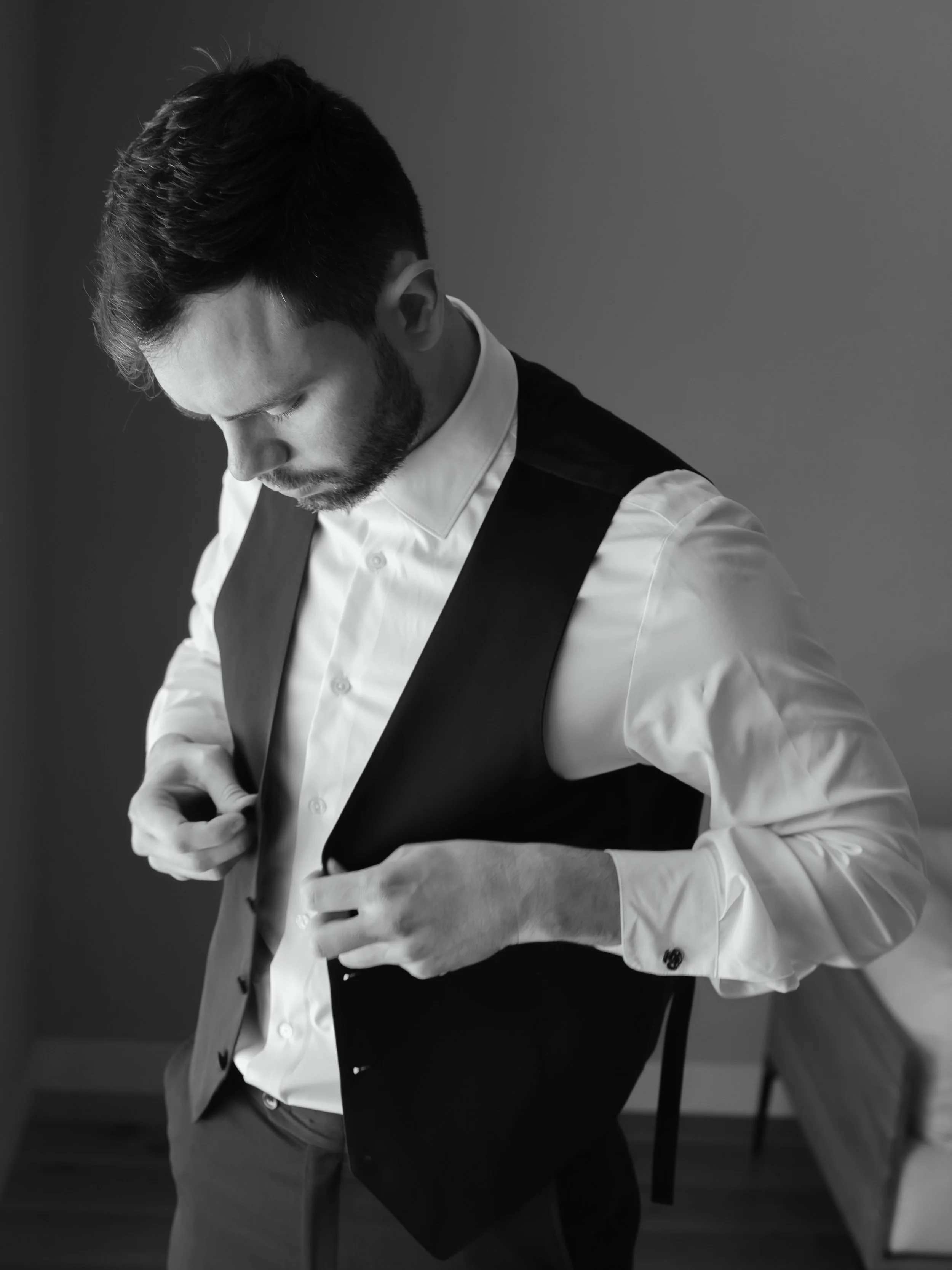
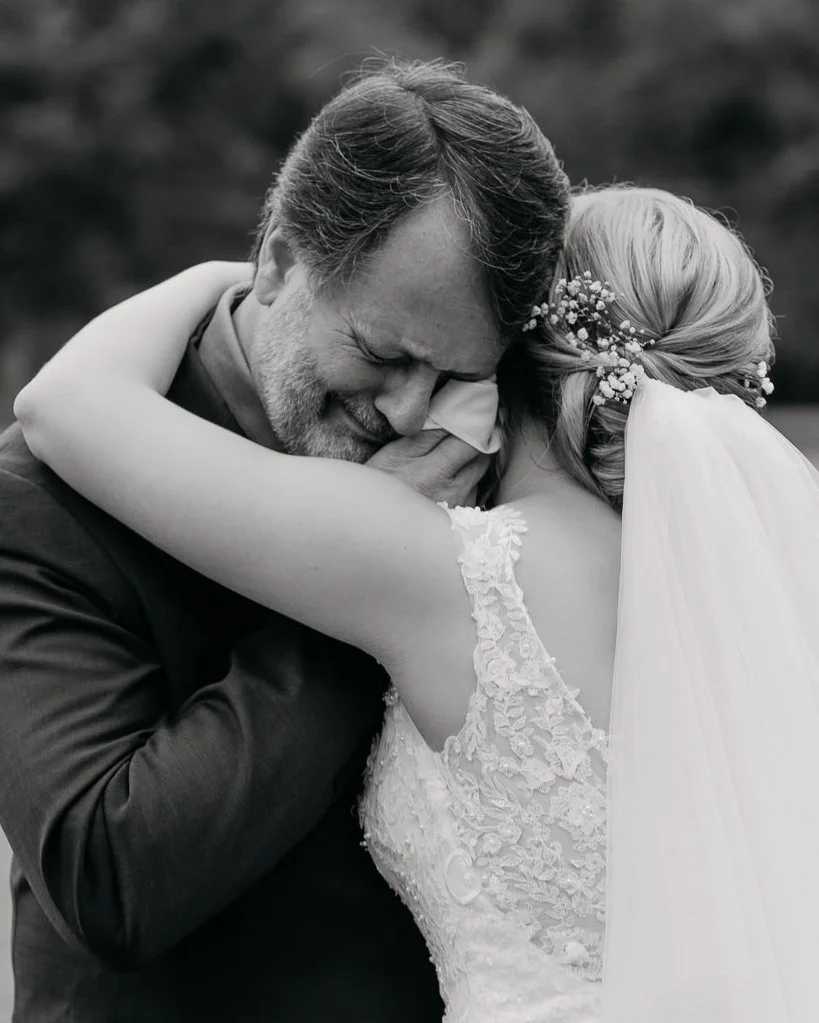
We also often build in space for first looks with:
Parents
Siblings
The wedding party
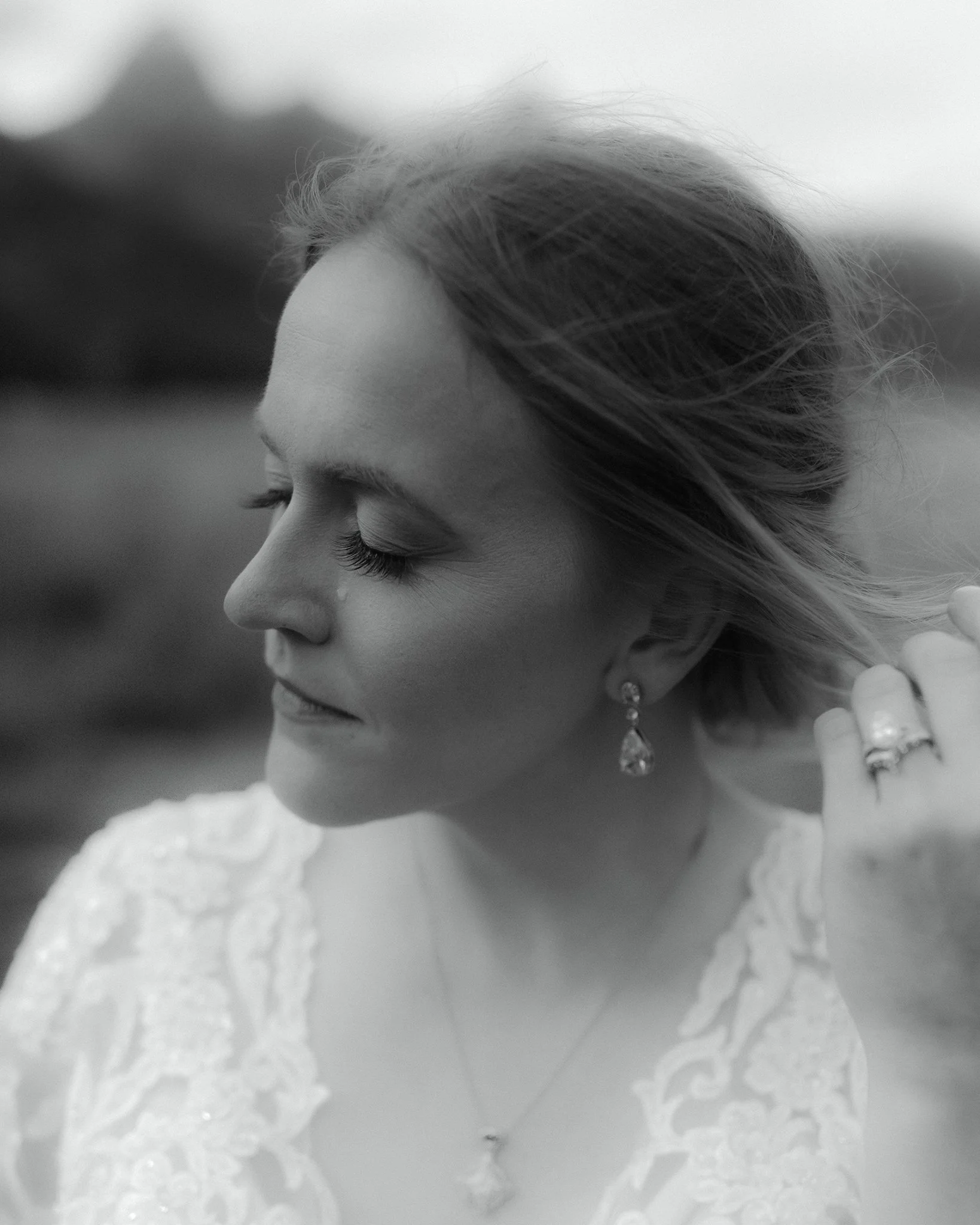
These are rarely loud moments. They’re usually quiet, emotional, and brief. But they need intentional minutes in the timeline. If they aren’t planned for, they feel rushed or accidental. When they are planned for, they become some of the most powerful images of the day.
The beginning of coverage doesn’t need to feel chaotic or purely logistical.
It can feel grounded. Calm. Intentional.
And that tone carries through the rest of the day.
Flat Lay Details Take More Time Than You Think

Beautiful detail photos don’t happen in five minutes.
Each piece takes time to:
Arrange
Adjust
Style
Photograph individually
Photograph together
Invitations, heirloom jewelry, shoes, perfume, fabric, florals.
If details matter to you, we typically recommend 30 minutes early in the day dedicated to them.
When it’s rushed, it shows.
When it’s planned, it elevates the entire gallery.
What a Relaxed Timeline Can Look Like
Here are a few examples.
6-Hour Simplified Day Without First Look
2:00 PM – Getting ready finishing touches
2:30 PM – Separate wedding party portraits
4:00 PM – Ceremony
4:30 PM – Family portraits & full wedding party portraits together
5:15 PM – Newly wed moments
5:30 PM – Reception entrance and dinner
6:30 PM – Toasts and first dances
7:15 PM – Couple sunset portraits
Beautiful. Simple. Intentional.
But there’s very little margin.
If hair and makeup runs late, portraits shrink.
If family takes longer than expected, couple time disappears.
If you want sunset portraits, they likely won’t fit.
Six hours works best when everyone understands that the schedule needs to stay tight and priorities need to stay focused.
It can absolutely be done well.
It just requires alignment and a willingness to simplify.
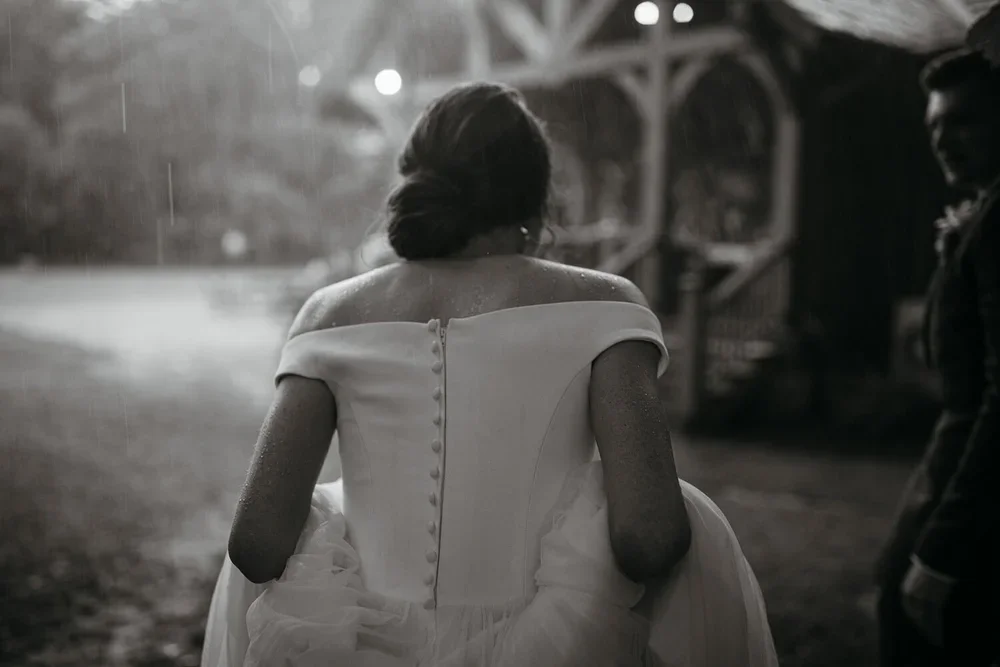
8-Hour Wedding With First Look
1:00 PM – Details + getting ready
2:30 PM – First look
2:45 PM – Private vows
3:00 PM – Wedding party portraits
3:30 PM – Immediate family portraits
4:30 PM – Ceremony
5:00 PM – Join cocktail hour
6:00 PM – Reception begins
7:30 PM – Sunset portraits
8:00 PM – Toasts and dancing
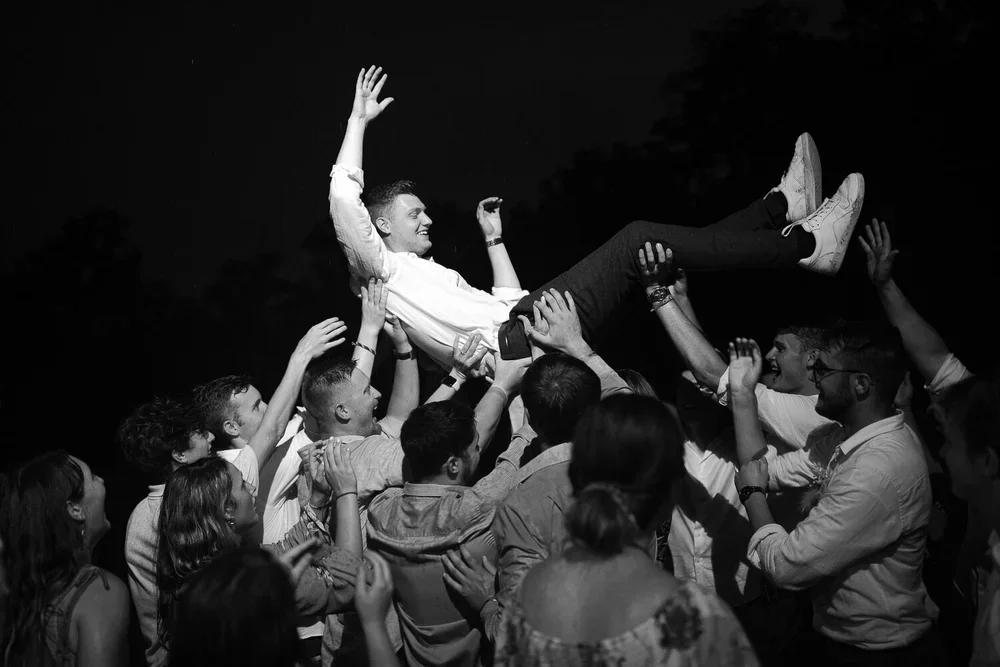
10-Hour Wedding
11:00 AM – Details + full morning coverage
1:00 PM – First look
1:15 PM – Private vows
1:45 PM – Wedding party portraits
2:30 PM – Family portraits
4:00 PM – Ceremony
5:00 PM – Cocktail hour
6:00 PM – Reception
7:30 PM – Sunset portraits
8:00 PM – Dancing & reception moments
This structure gives space.
Nothing feels compressed.
Every Timeline We Create Is Custom
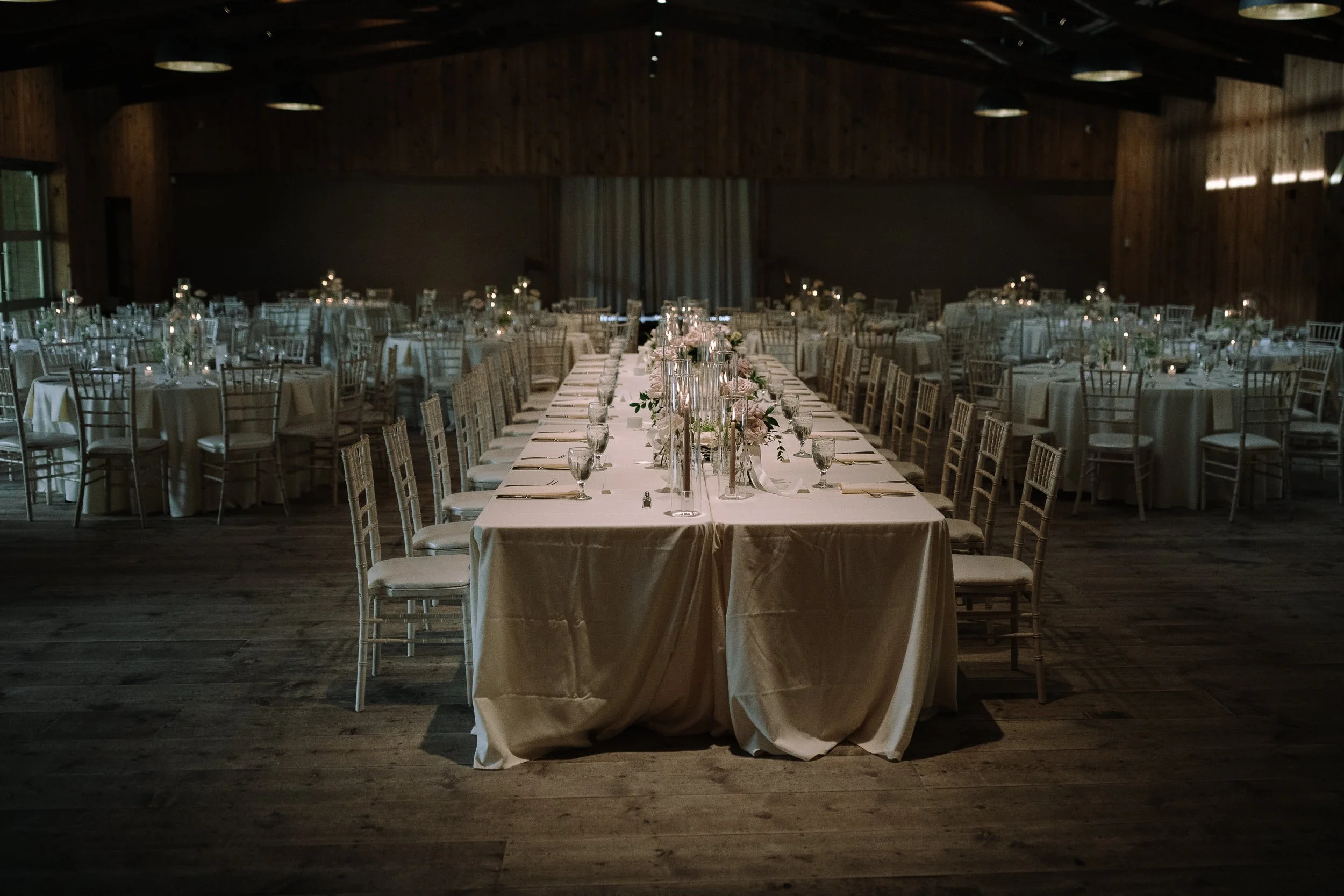
No two wedding days are the same.
The examples above are simply frameworks to help you visualize what different coverage lengths can support.
In reality, we build every timeline from scratch.
We look at:
Your ceremony time (or recommend a ceremony time)
Sunset on your specific wedding date
Your venue layout or location
Travel time between spaces
The season
Your guest count
Your priorities
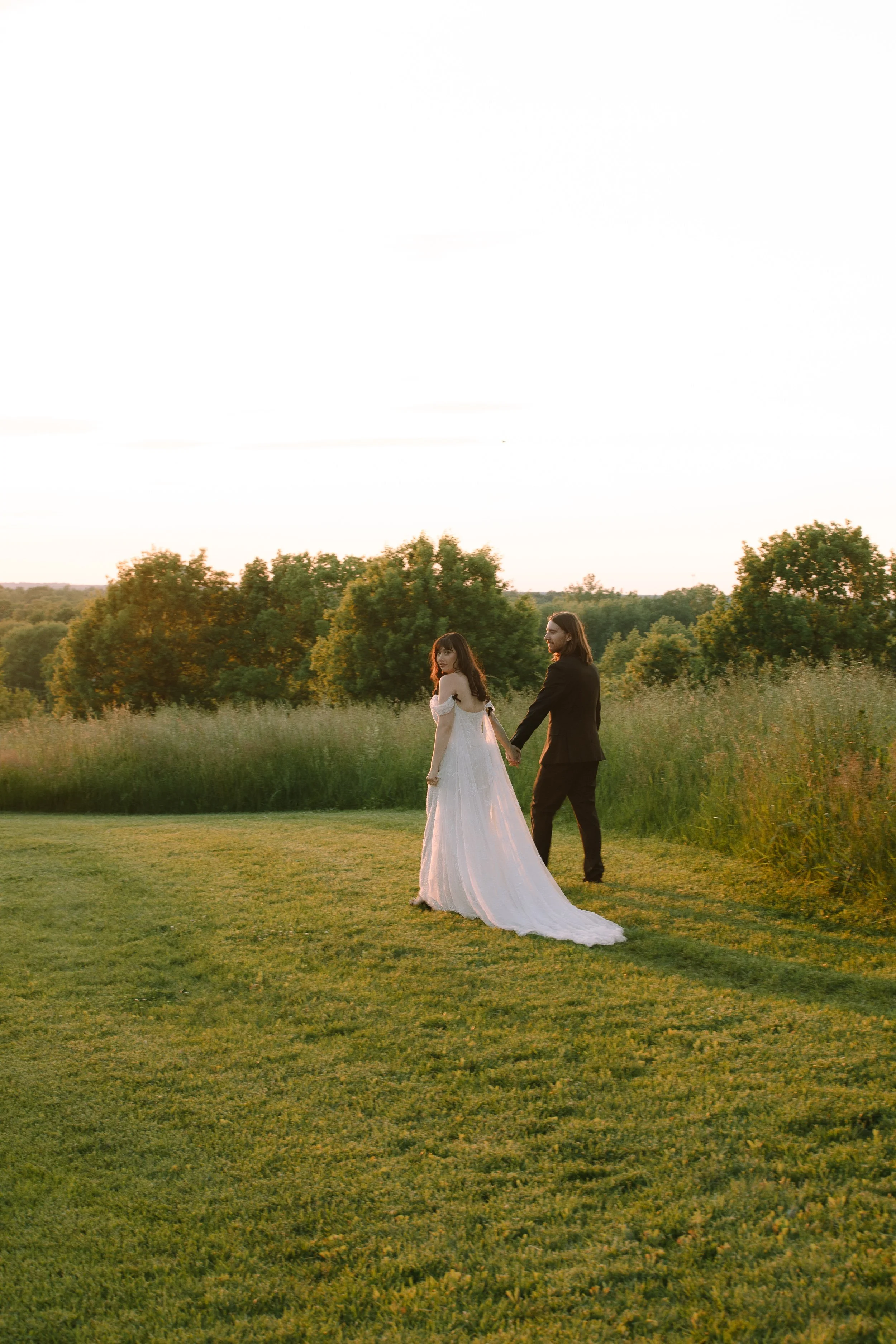
If private vows matter, we protect space for them. If cocktail hour with your guests matters, we build around that. If sunset light is important to you, we calculate exactly when that window will be strongest.
We are hands-on when it comes to timeline planning. Not in a way that overrides your vision. But in a way that protects it.
Because we photograph every wedding together as two lead photographers, we are able to plan timelines with a realistic understanding of how the day actually unfolds. The day never depends on one person trying to do everything at once, which is one of the reasons our timelines tend to feel calm instead of rushed. You can read more about why we choose to work this way here.
Our role is to help you see where the day may feel tight before it ever happens, and adjust it early so it feels calm when it arrives.
You don’t have to guess how long things take. You don’t have to calculate light or transitions.
That’s part of what experience brings.
A thoughtful timeline isn’t accidental.
It’s built carefully, around what matters most to you.
If you’re planning a wedding in Ohio or the mountains out west, the light and pacing are different and your timeline should reflect that.
If you’d like help building a timeline that leaves room for what matters most, get in touch here.
We’d love to walk through your day with you.
Final Thought
You can build any wedding timeline you’d like.
Photography doesn’t dictate your structure.
But when deciding coverage hours, ask:
What parts of this day do we want to be able to step back into?
Because once the day is over, your photographs are what remain.
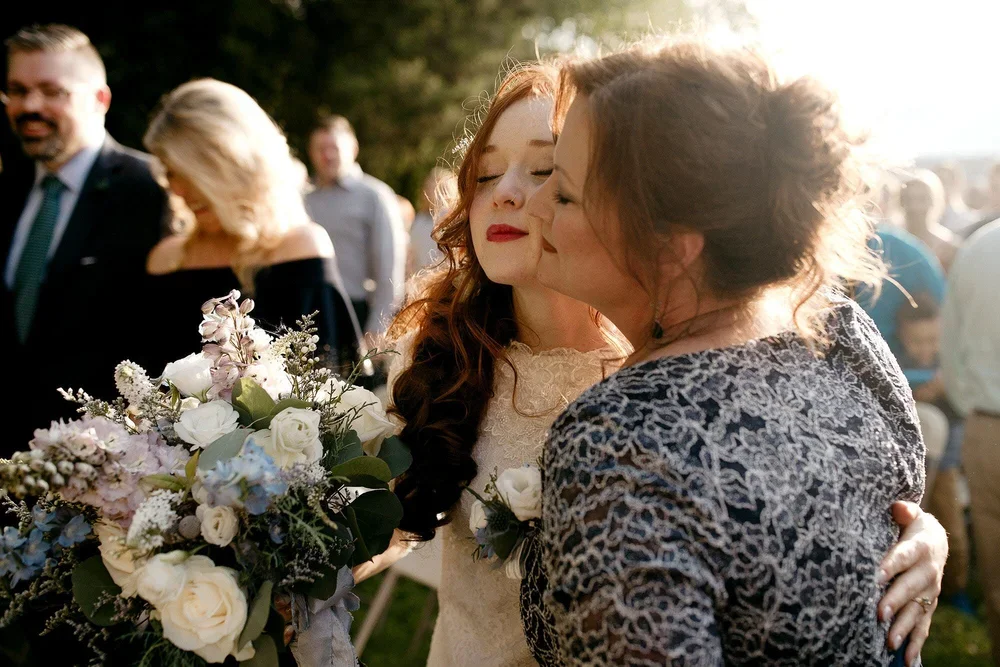
The way your grandmother held your hand.
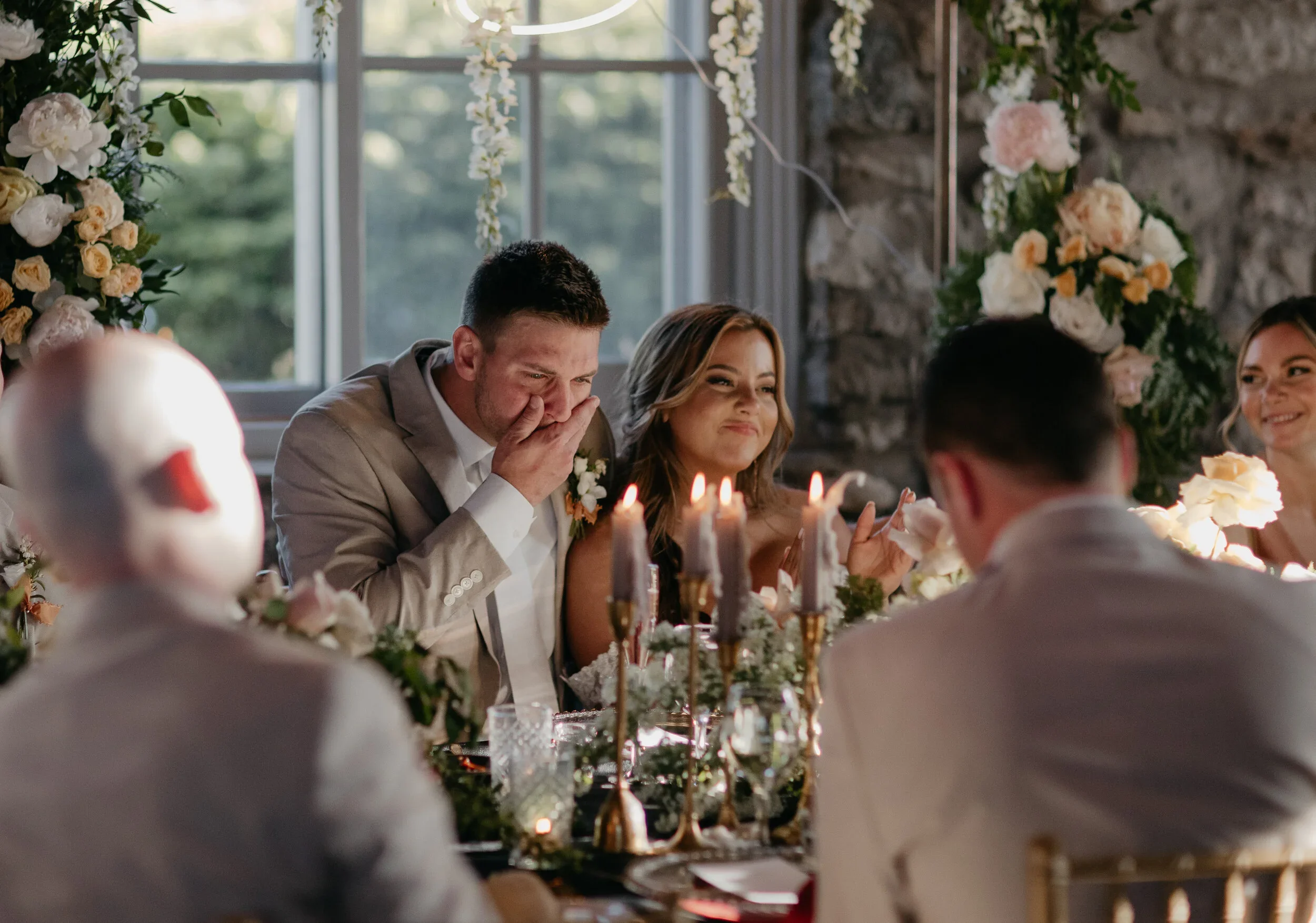
The way your friends laughed during cocktail hour.
The way the light wrapped around you at sunset.
The way you looked at each other when no one else noticed.
Those are the moments worth protecting.
If you’d like to see more of the kinds of moments we’re talking about, you can explore them throughout our wedding photography portfolio.
And when your timeline leaves room for them, the entire day feels different.
Calm.
Intentional.
Unrushed.
Exactly as it should.